In today’s competitive digital landscape, building a powerful brand isn’t just about having a great product or service it’s about implementing smart marketing strategies that compound over time. At Design Scoot, we’ve witnessed countless businesses transform from unknown entities into household names through strategic, intelligent marketing approaches. This comprehensive guide explores how smart marketing evolves into brand power and why consistency in your marketing efforts pays dividends in the long run.
Understanding Smart Marketing vs. Traditional Marketing
Smart marketing goes beyond conventional advertising methods. It’s a strategic approach that leverages data, consumer psychology, and emerging technologies to create meaningful connections with your target audience. Unlike traditional marketing, which often focuses on immediate sales, smart marketing builds relationships that translate into long-term brand loyalty and recognition.
Key Characteristics of Smart Marketing:
• Data-Driven Decision Making: Every campaign is backed by analytics and consumer insights
• Multi-Channel Integration: Consistent messaging across all platforms and touchpoints
• Customer-Centric Approach: Prioritizing customer needs and preferences over product features
• Agile Adaptation: Quick response to market changes and consumer behavior shifts
• Long-Term Vision: Focus on building sustainable brand equity rather than short-term gains
The Evolution from Marketing Tactics to Brand Power
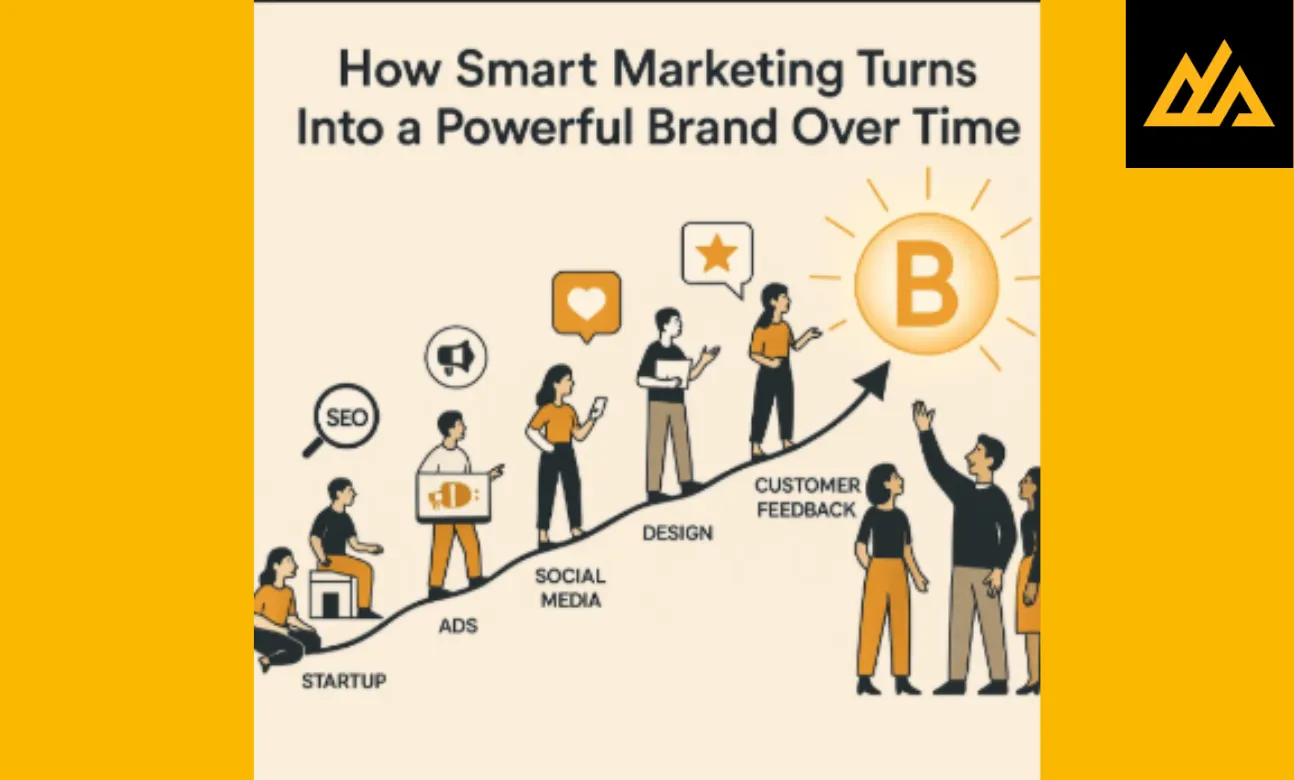
The journey from smart marketing to powerful branding is not instantaneous it’s a gradual process that requires patience, consistency, and strategic thinking. At Design Scoot, we’ve identified several stages in this transformation:
Stage 1: Foundation Building (Months 1-6)
During this initial phase, businesses establish their core marketing infrastructure. This includes defining brand voice, creating consistent visual identity, and establishing presence across key digital channels. The focus is on creating a solid foundation that will support future growth.
Stage 2: Recognition Development (Months 6-18)
As consistency builds, target audiences begin to recognize and remember the brand. This is where smart marketing strategies start showing measurable results in terms of brand awareness and customer engagement. Regular content creation, social media presence, and strategic partnerships begin to pay off.
Stage 3: Trust Building (Months 18-36)
Trust is the cornerstone of any powerful brand. Through consistent delivery of value, transparent communication, and reliable customer service, brands begin to establish credibility in their market. This stage is crucial for converting awareness into actual business results.
Stage 4: Brand Authority (3+ Years)
When executed correctly, smart marketing eventually positions the brand as an authority in its industry. At this stage, the brand begins to influence market trends, attract top talent, and command premium pricing.
The Design Scoot Approach to Smart Marketing
At Design Scoot, we understand that every brand’s journey is unique, but certain principles remain constant. Our approach combines creativity with analytics, ensuring that every marketing dollar spent contributes to long-term brand building.
Strategic Brand Positioning: We help businesses identify their unique value proposition and communicate it effectively across all marketing channels. This foundational work ensures that all subsequent marketing efforts reinforce the same core message.
Digital-First Mindset: While traditional marketing still has its place, the digital realm offers unprecedented opportunities for precise targeting and measurable results. Our team specializes in creating digital experiences that not only attract customers but also build lasting relationships.
The Compound Effect of Consistent Marketing
One of the most powerful aspects of smart marketing is its compound nature. Each successful campaign, each positive customer interaction, and each piece of valuable content adds to the brand’s overall equity. This cumulative effect is what transforms ordinary businesses into market leaders.
| Marketing Investment Timeline | Brand Recognition Level | Average Revenue Impact (₹) |
| 0-6 Months | Initial Awareness | ₹2,00,000 – ₹5,00,000 |
| 6-12 Months | Growing Recognition | ₹5,00,000 – ₹12,00,000 |
| 12-24 Months | Established Presence | ₹12,00,000 – ₹30,00,000 |
| 2-3 Years | Market Authority | ₹30,00,000 – ₹75,00,000 |
| 3+ Years | Industry Leader | ₹75,00,000+ |
Modern Challenges and Opportunities
The digital marketing landscape is constantly evolving, presenting both challenges and opportunities for brands looking to establish themselves. How AI Is Helping Digital Marketers and Graphic Designers Work Smarter has become a crucial consideration for businesses wanting to stay competitive. Artificial intelligence is revolutionizing how we approach marketing, from predictive analytics to personalized content creation.
Key Areas Where AI Enhances Marketing:
• Predictive Analytics: Understanding customer behavior patterns before they manifest
• Content Personalization: Delivering tailored messages to specific audience segments
• Automated Campaign Optimization: Real-time adjustments to improve performance
• Customer Service Enhancement: Chatbots and AI assistants providing 24/7 support
• Visual Design Assistance: AI-powered tools helping create compelling graphics and layouts
The Cost of Inaction in Digital Marketing
Many businesses hesitate to invest in comprehensive marketing strategies, often due to budget constraints or uncertainty about returns. However, What Happens When Your Competitor Uses Digital Marketing (And You Don’t) illustrates the serious consequences of marketing inaction in today’s digital-first world.
When competitors invest in smart marketing while you don’t, several things happen:
Market Share Erosion: Competitors begin capturing your potential customers through superior online presence and engagement strategies. Their consistent messaging and strategic positioning gradually shift consumer preference in their favor.
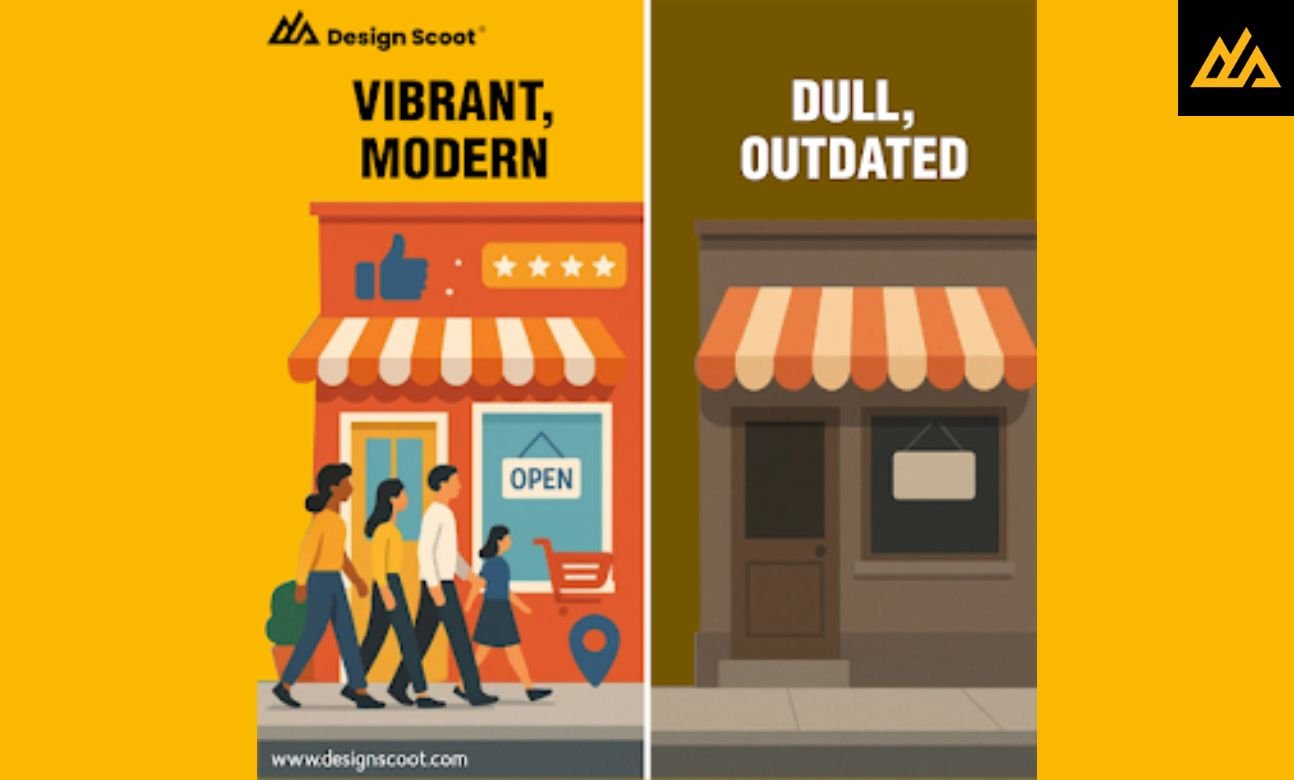
Reduced Brand Visibility: In an increasingly crowded digital space, brands that don’t actively market themselves become invisible to their target audience. This invisibility compounds over time, making it exponentially more expensive to regain lost ground.
Pricing Pressure: Without strong brand differentiation established through smart marketing, businesses are forced to compete primarily on price, eroding profit margins and limiting growth potential.
Website as the Foundation of Brand Building
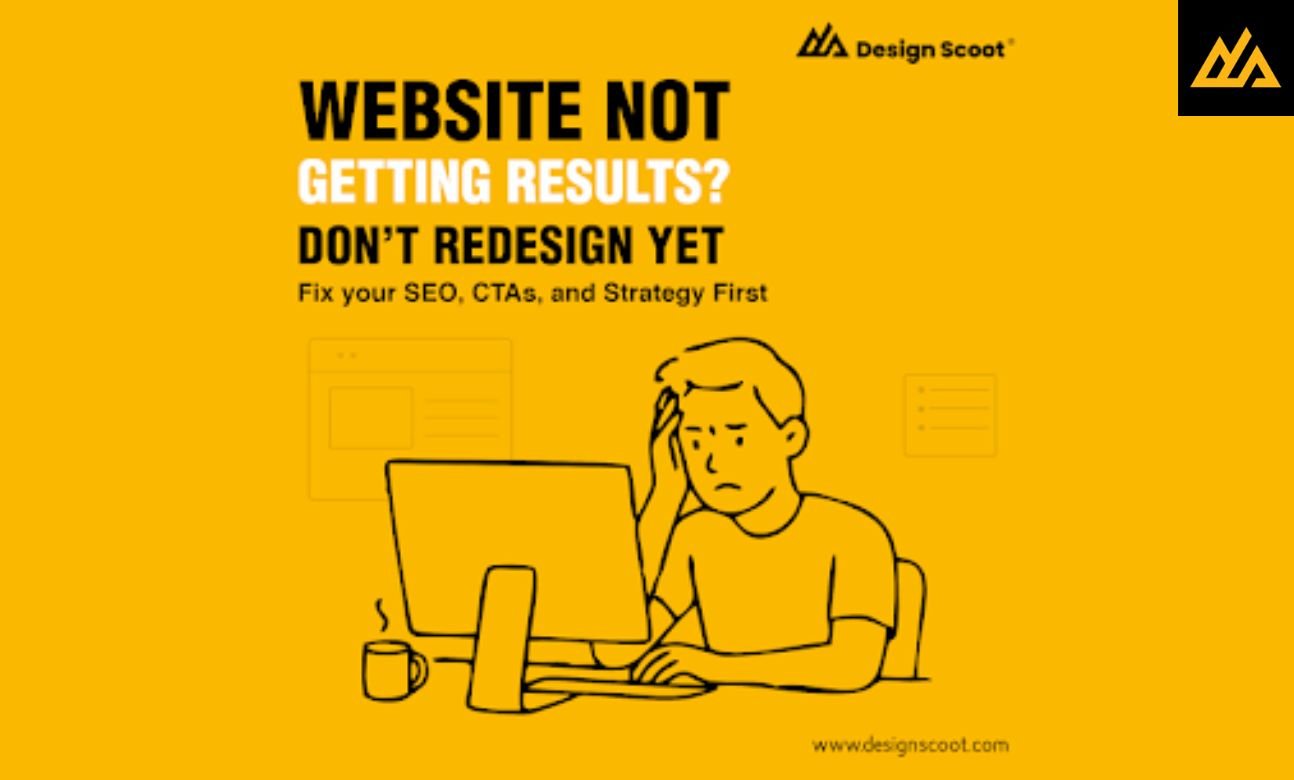
Your website serves as the digital headquarters of your brand, making its optimization crucial for long-term success. However, many businesses jump to redesign solutions without addressing underlying strategic issues. Feel Like Your Website Isn’t Doing Enough? Read This Before You Redesign It highlights the importance of strategic analysis before making significant changes.
Before considering a complete website overhaul, evaluate these critical areas:
• User Experience Analytics: Understanding how visitors interact with your current site
• Content Strategy Alignment: Ensuring your content supports your marketing objectives
• Technical Performance: Page load speeds, mobile responsiveness, and SEO optimization
• Conversion Path Optimization: Streamlining the journey from visitor to customer
• Brand Consistency: Aligning visual and messaging elements with your overall brand strategy
Measuring Long-Term Brand Building Success
Smart marketing’s impact on brand building extends far beyond traditional metrics like click-through rates or immediate conversions. At Design Scoot, we focus on comprehensive measurement approaches that capture the full spectrum of brand development.
Primary Brand Building Metrics:
Brand Awareness Indicators:
- Organic search volume for brand terms
- Social media mention frequency and sentiment
- Direct website traffic growth
- Unaided brand recall in market research
Customer Loyalty Measurements:
- Customer lifetime value progression
- Repeat purchase rates and frequency
- Net Promoter Score improvements
- Customer retention rates over time
Market Position Metrics:
- Share of voice in industry conversations
- Competitor comparison studies
- Industry recognition and awards
- Media coverage quality and quantity
Building Sustainable Competitive Advantages
The ultimate goal of smart marketing is to create sustainable competitive advantages that are difficult for competitors to replicate. These advantages compound over time, creating what economists call “economic moats” around your business.
Customer Relationships: Through consistent value delivery and exceptional service, smart marketing builds relationships that transcend transactional interactions. These relationships become barriers to competitor infiltration and sources of valuable feedback for continuous improvement.
Industry Expertise Positioning: By consistently sharing valuable insights and thought leadership content, brands can position themselves as industry experts. This expertise becomes a powerful differentiator that influences purchasing decisions and attracts top talent.
Community Building: Smart marketing creates communities around brands, fostering connections not just between the brand and customers, but among customers themselves. These communities become powerful amplifiers of brand messaging and sources of organic growth.
The Role of Content in Long-Term Brand Building
Content marketing represents one of the most powerful tools in the smart marketing arsenal. Unlike paid advertising, which stops working the moment you stop paying, quality content continues to attract and engage audiences long after publication.
At Design Scoot, we’ve observed that brands with consistent, valuable content strategies experience significantly higher brand recognition and customer loyalty rates. The key lies in creating content that genuinely serves your audience while subtly reinforcing your brand values and expertise.
Content Strategy Framework:
• Educational Content: Addressing common customer questions and challenges
• Industry Insights: Sharing expertise and thought leadership perspectives
• Behind-the-Scenes: Humanizing your brand through authentic storytelling
• Customer Success Stories: Demonstrating real-world value delivery
• Interactive Content: Engaging audiences through polls, quizzes, and discussions
Technology Integration and Future-Proofing
Smart marketing today requires seamless integration of various technologies to create cohesive customer experiences. From customer relationship management systems to marketing automation platforms, the right technology stack amplifies marketing effectiveness while reducing manual effort.
The most successful brands we work with at Design Scoot maintain flexibility in their technology choices, allowing for adaptation as new tools and platforms emerge. This adaptability ensures that marketing strategies remain effective as consumer behaviors and preferences evolve.
Conclusion: The Patient Capital of Brand Building
Building a powerful brand through smart marketing requires what we call “patient capital” the willingness to invest consistently over time without expecting immediate dramatic returns. However, brands that commit to this approach often discover that the long-term rewards far exceed the initial investment.
At Design Scoot, we’ve seen businesses transform from local service providers to industry leaders through strategic, consistent marketing efforts. The key lies in understanding that brand building is not a destination but a continuous journey of value creation, relationship building, and market positioning.
The businesses that thrive in today’s competitive landscape are those that recognize smart marketing not as an expense, but as an investment in their future market position. By focusing on long-term brand building rather than short-term gains, these companies create sustainable competitive advantages that compound over time, ultimately resulting in stronger market positions, higher customer loyalty, and improved financial performance.
Remember, every powerful brand started with a single smart marketing decision. The question isn’t whether you can afford to invest in smart marketing it’s whether you can afford not to. Your future market position depends on the marketing decisions you make today.