Design Insights & Creative Blog
Explore insights on graphic design, branding, ecommerce creatives, websites, and digital marketing to help your business grow and stand out.
- Design
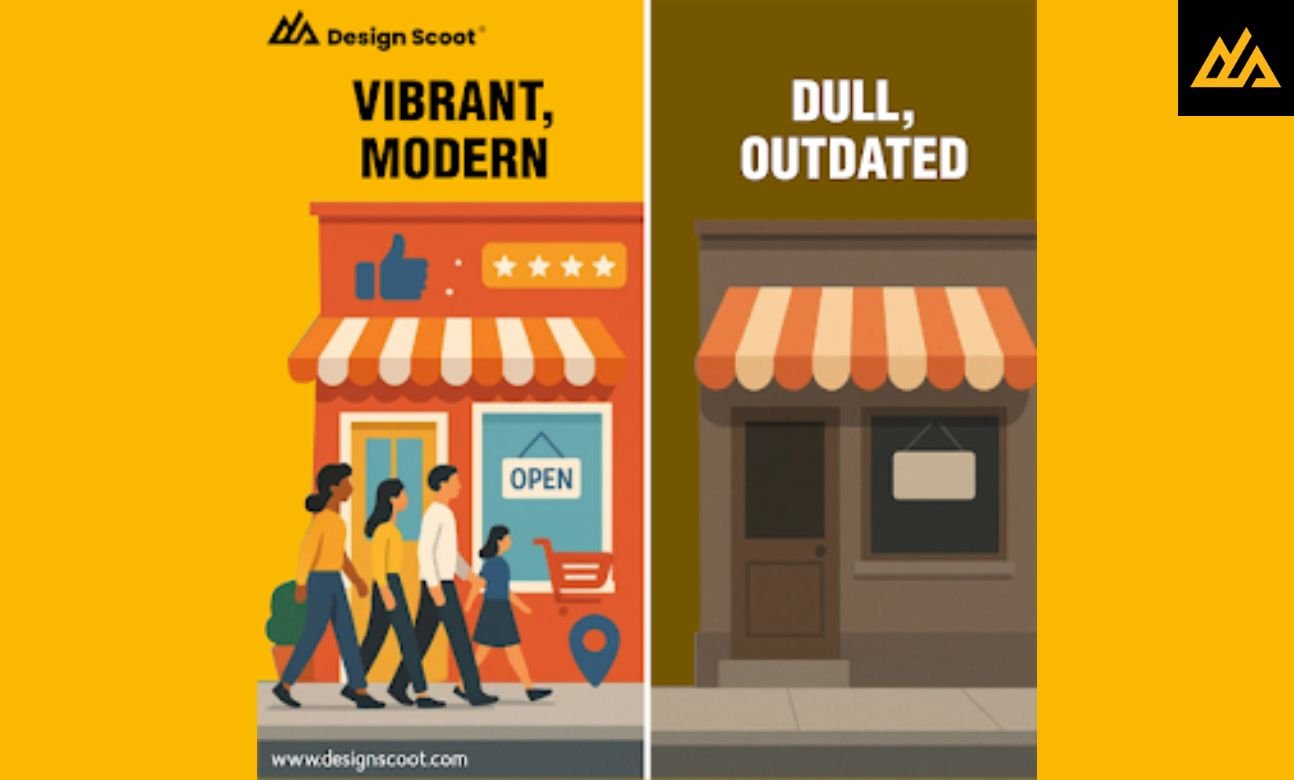
Still Not Using Digital Marketing? Here’s What You’re Missing Out On
In today’s hyper-connected world, businesses that haven’t embraced digital marketing are essentially operating with one hand tied behind their back. While your competitors are reaching thousands of potential customers online, building brand awareness, and driving sales through strategic digital campaigns, you might be wondering why your traditional marketing efforts aren’t delivering the same results they used to. The digital revolution isn’t coming it’s already here, and businesses that fail to adapt are rapidly falling behind.
Digital marketing has fundamentally transformed how consumers discover, research, and purchase products and services. With over 4.8 billion internet users worldwide and Indians spending an average of 7.3 hours daily on digital devices, the opportunity to connect with your target audience has never been greater. Yet, many businesses continue to rely solely on traditional marketing methods, missing out on unprecedented opportunities for growth, customer engagement, and revenue generation.
The Current Digital Landscape: Why Traditional Marketing Alone Isn’t Enough
The marketing landscape has undergone a seismic shift in the past decade. Traditional advertising channels like print media, radio, and television, while still relevant, no longer command the same attention they once did. Today’s consumers are digital-first, mobile-centric, and expect personalized experiences at every touchpoint of their customer journey.
Consider this: when was the last time you looked up a business in the Yellow Pages versus searching for it on Google? When did you last make a purchase decision without reading online reviews or comparing prices across multiple websites? The consumer behavior has fundamentally changed, and businesses that haven’t adapted their marketing strategies accordingly are losing relevance in the marketplace.
Digital marketing isn’t just about having a website or posting occasionally on social media. It’s about creating a comprehensive, data-driven strategy that meets customers where they are, delivers value at every interaction, and builds lasting relationships that drive business growth. Companies that understand this are thriving, while those that don’t are struggling to maintain their market position.
Key Benefits You’re Missing Without Digital Marketing
1. Massive Reach and Global Accessibility
• 24/7 Business Presence: Your digital presence works round the clock, capturing leads and serving customers even when your physical location is closed • Geographic Expansion: Reach customers beyond your local area without establishing physical locations • Scalable Growth: Digital campaigns can be scaled up or down based on performance and budget requirements • Cross-Platform Visibility: Maintain consistent brand presence across multiple digital channels simultaneously
2. Cost-Effective Marketing Solutions
• Lower Entry Costs: Digital marketing campaigns can start with budgets as low as ₹5,000 per month • Better Resource Allocation: Spend money only on strategies that deliver measurable results • Reduced Overhead: Eliminate costs associated with printing, distribution, and physical advertising spaces • Higher ROI Potential: Digital campaigns typically deliver 3-5x better returns compared to traditional marketing methods
3. Precise Targeting and Personalization
• Demographic Targeting: Reach specific age groups, income levels, and geographic locations • Behavioral Targeting: Connect with users based on their online behavior and purchase history • Interest-Based Marketing: Target audiences based on their hobbies, preferences, and lifestyle choices • Retargeting Capabilities: Re-engage visitors who showed interest but didn’t convert initially
4. Real-Time Performance Tracking
• Instant Analytics: Monitor campaign performance in real-time and make immediate adjustments • Conversion Tracking: Track every lead, sale, and customer action back to specific marketing efforts • ROI Measurement: Calculate exact returns on marketing investments with precision • A/B Testing: Continuously optimize campaigns based on data-driven insights
Digital Marketing Channels You’re Not Leveraging
The digital marketing ecosystem offers numerous channels, each with unique advantages and audience reach potential. Understanding these channels and their applications is crucial for developing a comprehensive marketing strategy.
Search Engine Optimization (SEO) remains one of the most powerful long-term strategies for business growth. When potential customers search for products or services related to your business, SEO ensures your website appears prominently in search results. This organic visibility builds trust, drives qualified traffic, and establishes your business as an authority in your industry.
Pay-Per-Click (PPC) advertising offers immediate visibility and results. Unlike traditional advertising where you pay regardless of performance, PPC ensures you only pay when someone actively engages with your ad. This performance-based model makes it particularly attractive for businesses with limited marketing budgets.
Social media marketing has evolved beyond simple brand awareness to become a powerful sales and customer service channel. Platforms like Facebook, Instagram, LinkedIn, and Twitter offer sophisticated targeting options, allowing businesses to reach highly specific audiences with tailored messaging.
Email marketing continues to deliver exceptional ROI, with studies showing returns of ₹3,200 for every ₹100 invested. This direct communication channel allows for personalized messaging, customer nurturing, and relationship building at scale.
Content marketing establishes thought leadership, educates potential customers, and provides value that goes beyond direct sales pitches. Quality content attracts organic traffic, builds brand authority, and supports all other digital marketing efforts.
Revenue Impact: What Digital Marketing Could Mean for Your Bottom Line
| Business Size | Traditional Marketing Budget (Monthly) | Digital Marketing Budget (Monthly) | Expected Monthly Revenue Increase | Annual Revenue Impact | ROI Improvement |
| Small Business (1-10 employees) | ₹25,000 | ₹20,000 | ₹75,000 | ₹9,00,000 | 275% |
| Medium Business (11-50 employees) | ₹75,000 | ₹60,000 | ₹2,25,000 | ₹27,00,000 | 300% |
| Large Business (50+ employees) | ₹1,50,000 | ₹1,20,000 | ₹4,50,000 | ₹54,00,000 | 325% |
These figures represent conservative estimates based on industry averages and can vary significantly depending on industry, competition, and execution quality. Many businesses see even higher returns, particularly in the first year of implementing comprehensive digital marketing strategies.
Common Myths Preventing Digital Marketing Adoption
Many business owners hesitate to embrace digital marketing due to misconceptions about its complexity, cost, and effectiveness. Let’s address the most common myths that might be holding your business back.
“Digital marketing is too expensive for small businesses” is perhaps the most pervasive myth. In reality, digital marketing offers more cost-effective options than traditional marketing. You can start with a modest budget of ₹10,000-15,000 per month and scale based on results. Unlike traditional advertising where you pay upfront regardless of performance, digital marketing allows for flexible budgeting and real-time optimization.
“Our customers aren’t online” is another common misconception. With internet penetration reaching 70% in India and mobile usage continuing to grow, your customers are likely more digitally active than you realize. Even B2B customers research vendors online before making purchasing decisions.
“Digital marketing is too complicated” concerns are understandable but outdated. Modern digital marketing platforms are designed for user-friendliness, and professional digital marketing services are more accessible and affordable than ever before.
Getting Started: Your Digital Marketing Action Plan
Phase 1: Foundation Building (Months 1-2)
• Website Optimization: Ensure your website is mobile-friendly, fast-loading, and conversion-optimized • Google My Business Setup: Claim and optimize your local business listings • Social Media Presence: Establish profiles on relevant platforms where your customers are active • Analytics Implementation: Set up tracking systems to measure performance from day one
Phase 2: Content and SEO (Months 2-4)
• Keyword Research: Identify terms your potential customers use when searching for your services • Content Strategy: Develop valuable, relevant content that addresses customer pain points • Local SEO: Optimize for local search results to capture nearby customers • Review Management: Implement systems to generate and manage customer reviews
Phase 3: Paid Advertising (Months 3-6)
• PPC Campaigns: Launch targeted advertising campaigns on Google and social media platforms • Social Media Advertising: Utilize platform-specific advertising options for precise targeting • Retargeting Setup: Implement campaigns to re-engage website visitors who didn’t convert • Performance Optimization: Continuously refine campaigns based on performance data
Industry-Specific Digital Marketing Opportunities
Different industries have unique digital marketing opportunities that can be particularly effective when properly leveraged. Retail businesses can benefit enormously from e-commerce integration, social media shopping features, and location-based advertising. Service-based businesses often see excellent results from local SEO, Google Ads, and reputation management strategies.
Healthcare providers can leverage content marketing to educate patients, online appointment booking systems, and targeted advertising for specific treatments or services. Real estate professionals can utilize virtual tours, social media showcasing, and targeted advertising to reach potential buyers and sellers in specific geographic areas.
Educational institutions can benefit from content marketing, social media engagement, and targeted advertising to reach prospective students and parents. Manufacturing businesses often find success with LinkedIn marketing, trade publication advertising, and content marketing that demonstrates expertise and capabilities.
The Cost of Waiting: What Delayed Adoption Means
Every day you delay implementing digital marketing strategies is a day your competitors are potentially capturing your customers online. Market share lost to digitally-savvy competitors is often difficult and expensive to reclaim. The businesses that establish strong digital presences early often maintain competitive advantages that become increasingly difficult to overcome.
Consider that customers who find your competitors online first are more likely to develop brand loyalty before they even discover your business exists. Digital marketing isn’t just about acquiring new customers it’s about ensuring your existing market position remains secure in an increasingly digital marketplace.
Conclusion: The Time to Act is Now
Digital marketing isn’t a luxury or an optional addition to your marketing strategy it’s an essential component of modern business success. The businesses thriving today are those that recognized this shift early and adapted their marketing approaches accordingly. Those struggling are often the ones still relying solely on traditional marketing methods that no longer deliver the reach, engagement, and ROI they once provided.
The digital marketing landscape offers unprecedented opportunities for businesses of all sizes to reach their target audiences, build meaningful relationships, and drive sustainable growth. Whether you’re a small local business looking to expand your customer base or a larger organization seeking to optimize your marketing ROI, digital marketing provides the tools, targeting capabilities, and measurable results necessary for success in today’s competitive marketplace.
The question isn’t whether you can afford to invest in digital marketing it’s whether you can afford not to. Your competitors are already online, capturing market share, building customer relationships, and driving growth through strategic digital initiatives. The longer you wait, the further behind you fall, and the more expensive it becomes to catch up.
Start your digital marketing journey today. Your future customers are waiting to discover your business online, and every day you delay is another opportunity missed. The digital revolution has already transformed how business is done now it’s time for your business to be part of that transformation.
- Design
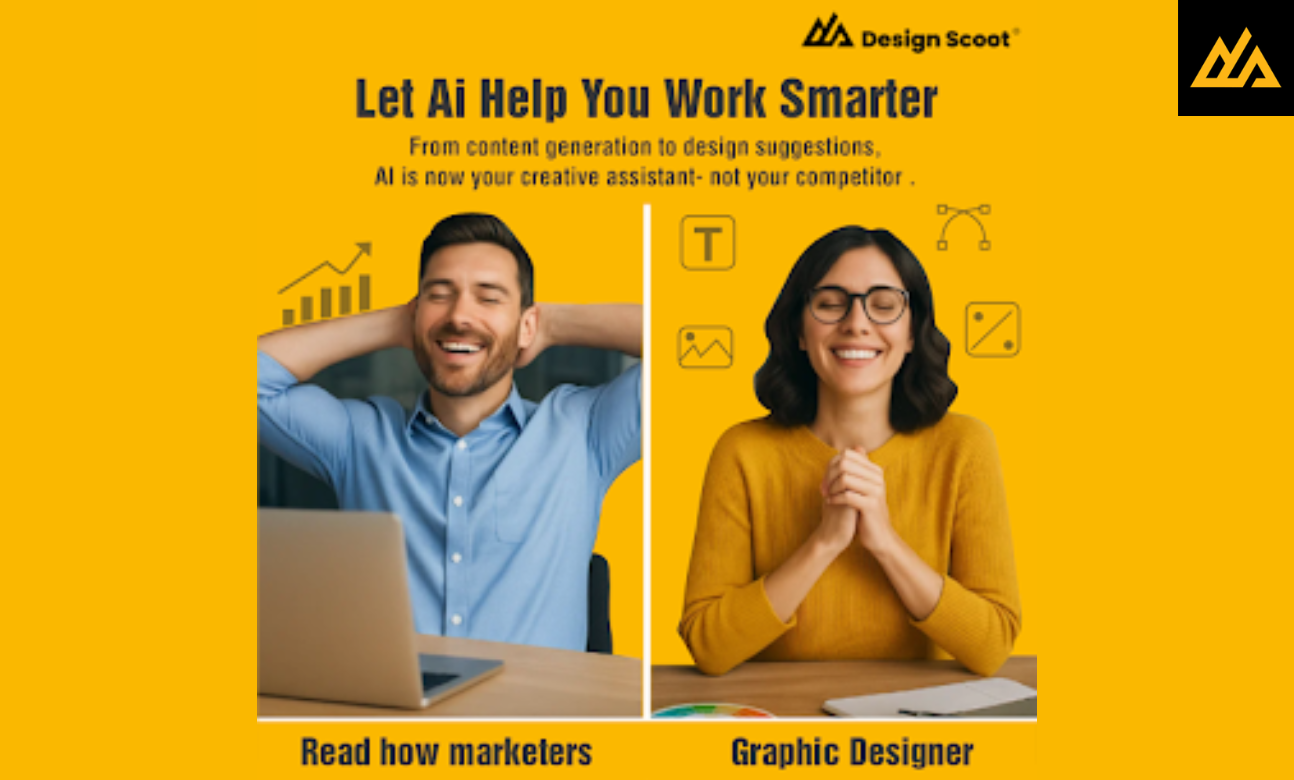
Why Smart Digital Marketers and Designers Are Turning to AI in 2025
The digital marketing landscape has undergone a seismic shift in 2025, with artificial intelligence no longer being a futuristic concept but an essential tool for competitive advantage. Smart digital marketers and designers worldwide are rapidly adopting AI technologies to streamline operations, enhance creativity, and deliver unprecedented results for their clients and businesses.
This transformation isn’t just about following trends it’s about survival and growth in an increasingly competitive digital ecosystem. As consumer expectations rise and market dynamics shift faster than ever, professionals who embrace AI are positioning themselves at the forefront of innovation while those who resist risk being left behind.
The Current State of AI in Digital Marketing
The integration of AI in digital marketing has reached a tipping point in 2025. What began as experimental tools for tech-savvy early adopters has evolved into sophisticated platforms that democratize advanced marketing capabilities. Today’s AI-powered solutions offer everything from automated content creation to predictive analytics, making high-level marketing strategies accessible to businesses of all sizes.
The sophistication of these tools has dramatically improved, with machine learning algorithms now capable of understanding context, tone, and brand voice with remarkable accuracy. This evolution has transformed AI from a supplement to traditional marketing methods into a core component of modern marketing strategies.
Key Reasons Why Professionals Are Embracing AI
1. Unprecedented Time Efficiency
AI tools are revolutionizing productivity by automating time-consuming tasks that previously required hours of manual work:
• Content Creation: AI can generate blog posts, social media captions, email campaigns, and ad copy in minutes rather than hours • Image and Video Production: Automated design tools create professional-quality visuals without extensive design skills • Data Analysis: Complex analytics reports that once took days to compile are now generated instantly • Customer Segmentation: AI automatically categorizes audiences based on behavior patterns and preferences • Campaign Optimization: Real-time adjustments to marketing campaigns based on performance data
2. Cost Reduction and ROI Maximization
The financial benefits of AI adoption are compelling, particularly for small to medium-sized businesses operating on tight budgets. By reducing the need for large creative teams and expensive external agencies, AI democratizes access to professional-quality marketing materials.
3. Enhanced Personalization at Scale
Modern consumers expect personalized experiences, and AI makes this possible even for businesses with thousands of customers. Machine learning algorithms analyze user behavior, preferences, and engagement patterns to deliver highly targeted content that resonates with individual users.
AI Tools Transforming Digital Marketing
Content Creation and Copywriting
AI-powered content creation tools have become indispensable for maintaining consistent, high-quality output across multiple channels:
• Blog Writing: Tools like ChatGPT, Claude, and Jasper generate comprehensive articles on any topic • Social Media Content: Automated caption generation with hashtag optimization for maximum reach • Email Marketing: Personalized email sequences that adapt based on subscriber behavior • Ad Copy: A/B tested variations of advertising copy to maximize conversion rates • Product Descriptions: Bulk generation of SEO-optimized product descriptions for e-commerce sites
Visual Design and Creative Assets
The creative industry has been transformed by AI-powered design tools that enable rapid prototyping and professional-quality output:
• Logo Design: AI creates brand identities in minutes with multiple variations • Social Media Graphics: Automated template-based designs for consistent brand presence • Website Design: AI-assisted layout creation and optimization for user experience • Video Content: Automated video editing and motion graphics generation • Infographics: Data visualization tools that create compelling visual representations
Analytics and Data Intelligence
AI’s ability to process and interpret vast amounts of data provides unprecedented insights into campaign performance and customer behavior:
• Predictive Analytics: Forecasting customer behavior and market trends • Real-time Optimization: Automatic campaign adjustments based on performance metrics • Customer Journey Mapping: Detailed analysis of touchpoints and conversion paths • Competitor Analysis: Automated monitoring of competitor strategies and performance • ROI Tracking: Precise attribution modeling across multiple marketing channels
Cost Savings Analysis: AI vs Traditional Methods
| Marketing Activity | Traditional Cost (₹) | AI-Powered Cost (₹) | Monthly Savings (₹) | Annual Savings (₹) |
| Content Writing (10 articles) | 25,000 | 2,500 | 22,500 | 2,70,000 |
| Social Media Graphics (50 posts) | 15,000 | 1,500 | 13,500 | 1,62,000 |
| Email Campaign Design | 8,000 | 800 | 7,200 | 86,400 |
| Market Research Report | 20,000 | 2,000 | 18,000 | 2,16,000 |
| Video Editing (5 videos) | 12,000 | 3,000 | 9,000 | 1,08,000 |
| Total Monthly Savings | 80,000 | 9,800 | 70,200 | 8,42,400 |
Revenue Growth Opportunities with AI
Enhanced Campaign Performance
AI-driven campaigns consistently outperform traditional methods through:
• Improved Targeting: Higher conversion rates through precise audience identification • Dynamic Pricing: Real-time price optimization based on market conditions and demand • Automated Bidding: Optimized ad spend allocation across platforms and campaigns • Content Optimization: Continuous refinement of messaging based on engagement metrics
New Service Offerings
Marketing agencies and freelancers are expanding their service portfolios by leveraging AI capabilities:
• AI-Powered Audits: Comprehensive website and marketing performance analysis • Automated Reporting: Regular client reports with actionable insights • Predictive Modeling: Forecasting services for business planning • Chatbot Development: Custom AI assistants for client businesses
Revenue Impact Comparison
| Business Type | Traditional Monthly Revenue (₹) | AI-Enhanced Monthly Revenue (₹) | Growth Percentage |
| Freelance Designer | 50,000 | 85,000 | 70% |
| Small Marketing Agency | 2,50,000 | 4,50,000 | 80% |
| E-commerce Business | 5,00,000 | 8,50,000 | 70% |
| Content Creator | 30,000 | 55,000 | 83% |
| Digital Consultant | 1,00,000 | 1,75,000 | 75% |
Challenges and Considerations
Learning Curve and Skill Development
While AI tools are becoming more user-friendly, there’s still a learning curve involved in mastering these technologies effectively. Professionals must invest time in understanding how to craft effective prompts, interpret AI-generated results, and integrate these tools into existing workflows.
Quality Control and Brand Consistency
AI-generated content requires human oversight to ensure it aligns with brand voice and maintains quality standards. Smart marketers use AI as a starting point, then refine and customize the output to meet specific requirements.
Ethical Considerations and Transparency
The use of AI in marketing raises questions about transparency and authenticity. Progressive marketers are developing guidelines for ethical AI use, ensuring they maintain trust with their audiences while leveraging these powerful tools.
The Competitive Advantage in 2025
Businesses that embrace AI are gaining significant competitive advantages:
• Speed to Market: Launching campaigns and content significantly faster than competitors • Cost Efficiency: Operating with lower overhead while maintaining high output quality • Scalability: Serving more clients without proportionally increasing team size • Innovation: Experimenting with new marketing approaches and technologies • Data-Driven Decisions: Making informed strategic choices based on comprehensive analytics
Future Outlook and Recommendations
The trajectory of AI in digital marketing continues to accelerate, with new capabilities emerging regularly. Smart professionals are positioning themselves by:
Continuous Learning and Adaptation
• Tool Experimentation: Regularly testing new AI platforms and features • Skill Development: Investing in AI literacy and prompt engineering techniques • Industry Networking: Connecting with other AI-forward professionals to share insights • Client Education: Helping clients understand the benefits and possibilities of AI-enhanced marketing
Strategic Implementation
Rather than wholesale replacement of existing processes, successful marketers are strategically integrating AI where it provides the most value. This measured approach allows for quality control while maximizing efficiency gains.
Conclusion
The shift toward AI in digital marketing and design isn’t just a trend it’s a fundamental transformation of how creative and marketing work gets done. In 2025, smart professionals are leveraging these technologies not to replace human creativity and strategic thinking, but to amplify their capabilities and deliver better results more efficiently.
The data clearly shows that early adopters are experiencing significant cost savings, revenue growth, and competitive advantages. As AI tools continue to evolve and become more sophisticated, the gap between AI-powered professionals and those relying solely on traditional methods will only widen.
For digital marketers and designers looking to thrive in this new landscape, the question isn’t whether to adopt AI, but how quickly and effectively they can integrate these powerful tools into their workflows. The future belongs to those who can seamlessly blend human creativity with artificial intelligence to deliver exceptional results for their clients and businesses.
The time for experimentation has passed 2025 is the year for full-scale AI adoption in digital marketing and design. Those who embrace this technology now will be the leaders shaping the industry’s future.
- Design
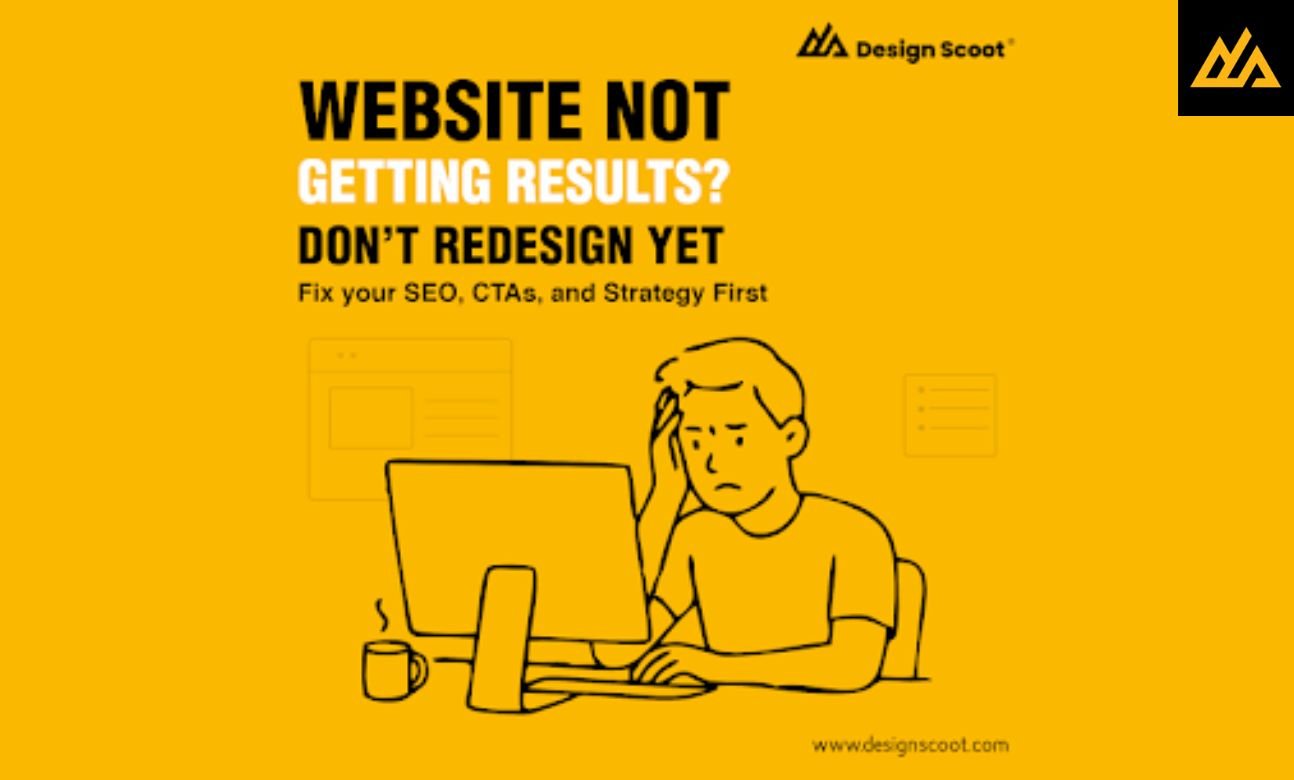
Feel Like Your Website Isn’t Doing Enough? Read This Before You Redesign It
Your website feels stagnant. Conversion rates are disappointing. Traffic isn’t growing as expected, and your competitors seem to be leaving you behind. Your first instinct might be to scrap everything and start fresh with a complete redesign. But before you invest thousands of dollars and months of work into rebuilding from scratch, take a step back. The problem might not be your website’s design it could be something much simpler and cheaper to fix.
The Redesign Trap: Why Starting Over Isn’t Always the Answer
Many business owners fall into what we call the redesign trap, assuming that a fresh look will magically solve all their website woes. This approach often stems from frustration rather than data-driven analysis. The truth is, a complete redesign is expensive, time-consuming, and incredibly risky. You could end up with a beautiful website that performs worse than your current one.
Most website problems are functional, not aesthetic. While your current site might look outdated compared to the latest design trends, users care far more about whether they can easily find what they need, complete their desired actions, and have a smooth experience across all devices. A study by the Nielsen Norman Group found that usability improvements often have a much greater impact on business metrics than visual redesigns.
The reality is that small, targeted optimizations frequently yield bigger results than complete overhauls. When you redesign everything at once, you lose valuable data about what was actually working on your existing site. You’re essentially starting from zero, discarding months or years of user behavior insights that could inform better decisions.
Diagnosing the Real Problem: Is It Design or Something Else?
Before considering a redesign, you need to conduct a thorough diagnosis of your website’s actual issues. Most performance problems fall into specific categories that don’t require a complete overhaul to fix.
The key is distinguishing between performance issues and design issues. Performance problems affect how your website functions and how users interact with it, while design issues are primarily visual or aesthetic concerns.
Performance Issues vs. Design Issues
| Performance Issues | Design Issues |
| Slow loading speeds (over 3 seconds) | Outdated visual style |
| Poor mobile responsiveness | Inconsistent branding elements |
| Broken forms or functionality | Poor visual hierarchy |
| SEO optimization problems | Cluttered or confusing layouts |
| Confusing navigation structure | Weak call-to-action buttons |
| Poor conversion funnels | Unprofessional overall appearance |
Understanding this distinction is crucial because performance issues directly impact your bottom line, while design issues might just affect perception. A website that loads slowly or doesn’t work properly on mobile devices will lose customers regardless of how beautiful it looks.
Start by analyzing your website’s core metrics. Page load speed should be under three seconds for optimal user experience. Check your mobile usability scores through Google’s Mobile-Friendly Test. Review your Core Web Vitals ratings, as these directly impact your search engine rankings. Look at your bounce rate, time on page, and conversion rates across different traffic sources.
Don’t forget to examine user behavior data through heat maps and user session recordings. These tools reveal exactly how visitors interact with your site, showing you where they get stuck, what they ignore, and where they abandon their journey. This data is invaluable for identifying specific problem areas that need attention.
Quick Wins: Optimize Before You Redesign
Many website issues can be resolved through targeted optimizations that cost a fraction of a full redesign while delivering immediate, measurable results.
Technical Optimizations
Speed is often the biggest culprit behind poor website performance. If your pages take more than three seconds to load, you’re losing potential customers before they even see your content. Start by compressing and optimizing your images, which are often the largest files on your pages. Tools like TinyPNG or ImageOptim can reduce file sizes by 60-80% without noticeable quality loss.
Next, minimize your CSS and JavaScript files by removing unnecessary code and combining multiple files where possible. Enable browser caching so returning visitors don’t have to reload all your resources every time they visit. Consider implementing a content delivery network (CDN) to serve your content from servers closer to your users’ geographic locations.
Mobile experience deserves special attention since mobile traffic now accounts for over 50% of web traffic for most industries. Ensure your responsive design actually works properly across different screen sizes. Test your touch targets to make sure buttons and links are large enough for finger navigation. Optimize your forms for mobile input by using appropriate keyboard types and minimizing the number of required fields.
Content and Messaging Optimizations
Your website’s messaging might be the real problem, not its design. Many businesses struggle with unclear value propositions that don’t immediately communicate what they offer and why visitors should care. Take a hard look at your homepage and key landing pages. Can a visitor understand what you do and how you help them within five seconds of arriving?
Strengthen your call-to-action buttons by making them more specific and action-oriented. Instead of generic “Learn More” buttons, try “Get Your Free Quote” or “Start Your 30-Day Trial.” Test different colors, sizes, and placements to see what drives more conversions.
Forms are often conversion killers. Every additional field you require reduces completion rates. Remove any non-essential form fields and consider progressive profiling, where you gather additional information over time rather than all at once.
User Experience Improvements
Navigation problems can cripple even the most beautiful website. If visitors can’t find what they’re looking for, they’ll leave regardless of how good your design looks. Simplify your menu structure by grouping related items and limiting top-level categories to seven or fewer items.
Add internal search functionality if you don’t already have it, especially if you have a large catalog of products or extensive content. Many users prefer searching to browsing, and a good search feature can significantly improve user experience.
Create clear breadcrumb trails so users always know where they are on your site and can easily navigate back to previous sections. This is particularly important for e-commerce sites and websites with deep content hierarchies.
When a Redesign Actually Makes Sense
While optimization should be your first approach, there are legitimate scenarios where a complete redesign becomes necessary. The key is being honest about whether you’re facing a fundamental problem that can’t be solved with targeted improvements.
Clear Indicators for Redesign
Technology obsolescence is probably the most valid reason for a complete redesign. If your website is built on deprecated technology that can’t be updated or secured, you have no choice but to rebuild. Similarly, if your current platform can’t integrate with modern marketing tools or e-commerce systems your business needs, a redesign might be unavoidable.
Major business evolution also justifies redesign consideration. If you’ve completely pivoted your business model, undergone significant brand repositioning, or merged with another company, your existing website might be fundamentally misaligned with your new direction.
However, be cautious about redesigning simply because your competitors have newer-looking websites. Visual trends change constantly, but business fundamentals don’t. A competitor’s flashy new site might actually perform worse than their old one, even if it looks more modern.
Redesign vs. Optimization Decision Matrix
| Situation | Redesign Needed? | Alternative Solution |
| Website is 5+ years old | Maybe | Modern refresh of key elements |
| Built on outdated technology | Yes | Platform migration required |
| Complete brand overhaul | Yes | Gradual brand integration won’t work |
| Poor mobile performance | Rarely | Responsive optimization usually sufficient |
| Low conversion rates | No | Conversion optimization first |
| Competitors look better | No | Focus on performance over appearance |
The Smart Approach: Test, Measure, and Iterate
Instead of gambling on a complete redesign, adopt a systematic approach to website improvement that minimizes risk while maximizing results. This methodology allows you to make data-driven decisions rather than assumptions about what will work better.
A/B testing should be your primary tool for website improvement. Start by testing high-impact elements like headlines, value propositions, and call-to-action buttons. These changes can often improve conversion rates by 20-50% or more, providing immediate return on investment.
Create a testing schedule that allows you to gather statistically significant data. Generally, you’ll need at least 100-200 conversions per variation to draw reliable conclusions. This might take weeks or months depending on your traffic levels, but the insights you gain will be invaluable.
Focus your testing efforts on elements that directly impact your business goals. If you’re trying to generate more leads, test different lead magnets, form designs, and landing page layouts. If you’re selling products, test product descriptions, pricing displays, and checkout processes.
Cost-Benefit Analysis: Optimization vs. Redesign
Understanding the financial implications helps make informed decisions about your website strategy. The numbers often tell a very different story than what your emotions might suggest.
Investment Comparison
| Approach | Typical Cost | Timeline | Risk Level | Expected ROI |
| Complete Redesign | $15,000-$100,000+ | 3-9 months | High | Variable (often negative initially) |
| Comprehensive Optimization | $3,000-$15,000 | 1-3 months | Low | 150-300% |
| DIY Quick Fixes | $500-$2,000 | 2-6 weeks | Very Low | 200-500% |
| Ongoing A/B Testing | $1,000-$5,000 | Continuous | Low | 100-200% annually |
The hidden costs of redesign often exceed the obvious expenses. Beyond design and development fees, you’ll face content migration challenges, potential SEO ranking losses during the transition, and the opportunity cost of time spent managing the project instead of growing your business.
Many businesses experience a temporary dip in performance immediately after launching a redesigned website. Users need time to adapt to new layouts and navigation, and you might inadvertently remove elements that were actually working well on your old site.
Making the Decision: Your Website Improvement Roadmap
Create a systematic approach to determine whether optimization or redesign is the right choice for your specific situation. This decision framework helps remove emotion from the process and focuses on data-driven conclusions.
Start with a comprehensive audit of your current website’s performance. Use tools like Google PageSpeed Insights, GTmetrix, and Google Analytics to gather quantitative data about how your site is actually performing. Don’t rely on assumptions or gut feelings about what’s wrong.
Gather qualitative feedback through user surveys, customer interviews, or usability testing sessions. Sometimes the disconnect between what you think users want and what they actually need is significant. This feedback often reveals problems you might never have considered.
Conduct a competitive analysis, but focus on functionality rather than appearance. What features do your competitors offer that you don’t? How do their conversion processes compare to yours? Are there specific user experience elements that consistently appear across successful sites in your industry?
Once you have this data, categorize all identified issues by their potential impact on your business goals and the effort required to fix them. Start with high-impact, low-effort improvements that can deliver quick wins and build momentum for larger projects.
Implementation Strategy: From Analysis to Action
Rather than trying to fix everything at once, develop a phased approach that allows you to measure the impact of each change and learn from the results.
Phase one should focus on fixing critical technical issues that affect all users. Resolve any broken functionality, improve page load speeds, and ensure your site works properly across different devices and browsers. These foundational improvements create a stable platform for future optimizations.
Phase two targets conversion optimization. Improve your most important landing pages, streamline your conversion funnels, and test different approaches to your key calls-to-action. Focus on the pages that receive the most traffic or have the biggest impact on your revenue.
Phase three involves enhancing the overall user experience through improved navigation, better content organization, and personalization features. By this point, you’ll have significant data about what works for your specific audience and can make more informed decisions about larger changes.
Conclusion: Think Optimization First, Redesign Second
Your website’s underwhelming performance doesn’t automatically justify a complete redesign. Most websites can achieve significant improvements through targeted optimizations that cost less, take less time, and carry much lower risk than starting from scratch.
The key is approaching website improvement scientifically rather than emotionally. Start with thorough analysis to identify real problems rather than assumed ones. Implement changes systematically and measure their impact carefully. Only consider a full redesign when you’ve exhausted optimization opportunities or face fundamental technical limitations that can’t be resolved any other way.
Remember that your website is a business tool designed to achieve specific objectives, whether that’s generating leads, selling products, or building brand awareness. Focus on functionality over aesthetics, user experience over visual trends, and measurable results over subjective preferences. The goal isn’t to have the most beautiful website it’s to have the most effective one for your business goals.
Before committing to an expensive redesign, give optimization a real chance. You might discover that your current website has much more potential than you realized. And if you do eventually decide to redesign, you’ll have invaluable data and insights to ensure your new website performs better than the old one from the very first day.

Tiny Tabs
- ~
- Social media, Video animation
Project Overview
Tiny Tabs partnered with Design Scoot to enhance its digital presence through engaging visual communication across social media platforms. In today’s digital-first environment, brands need consistent and visually appealing content to connect with audiences and communicate their value effectively.
The project focused on two key elements of digital marketing: social media creative design and video animation. These two components play an essential role in helping brands capture audience attention, communicate messages quickly, and maintain an active presence across digital platforms.
Social media platforms have become one of the most important channels for brand communication. However, simply posting content is not enough. To stand out in crowded feeds, brands must use well-designed visuals and engaging video content that clearly communicate their message.
Design Scoot collaborated with the Tiny Tabs team to understand their brand identity, communication goals, and target audience. Our objective was to create visually engaging digital content that strengthens the brand’s online visibility while maintaining a consistent and professional identity.
The Challenge
Before partnering with Design Scoot, Tiny Tabs needed to improve the way its brand communicated across digital platforms.
One of the key challenges was maintaining a consistent social media presence that could keep the audience engaged while promoting the brand’s products and services.
Another challenge involved presenting information in a format that could capture attention quickly. Modern audiences prefer visually engaging formats such as short videos and animated content that explain ideas clearly and quickly.
Without structured visual content, it became difficult to maintain audience engagement and build strong brand recognition online.
Key challenges included:
• Need for engaging social media creatives
• Limited visual storytelling for the brand
• Lack of animated content for digital communication
• Difficulty maintaining consistent brand identity online
• Need for more engaging promotional content
To address these challenges, Design Scoot focused on building a digital content strategy that combines static visuals with dynamic video animation.
Our Strategy
Our approach for Tiny Tabs focused on creating a visual communication system that helps the brand engage audiences while maintaining a consistent digital presence.
The strategy included two key elements.
Strengthening Social Media Communication
Social media creatives were designed to help Tiny Tabs maintain a consistent and professional presence across digital platforms.
The design strategy focused on:
• visually engaging graphics
• clear messaging and brand communication
• consistent color palette and typography
• promotional creatives for brand visibility
• visually structured content
These creatives help the brand remain active on social platforms while strengthening audience engagement.
Using Video Animation for Engagement
Video content plays an important role in digital marketing because it captures attention quickly and communicates information in a visually engaging way.
For Tiny Tabs, we created animated videos that highlight the brand message and communicate key ideas in an engaging format.
The animation approach focused on:
• clear visual storytelling
• simple and engaging animation style
• easy-to-understand messaging
• attention-grabbing motion graphics
Animated content works particularly well on social media platforms where audiences prefer quick and visually engaging formats.
Design Execution
Social Media Creative Design
Our team created a series of visually appealing social media creatives designed to promote the brand while maintaining a strong visual identity.
Key elements included:
• engaging promotional graphics
• consistent branding elements
• clear and readable messaging
• visually balanced layouts
These creatives help Tiny Tabs maintain regular communication with its audience while promoting its brand effectively.
Video Animation Production
To further improve audience engagement, we developed animated video content that communicates brand messaging in a visually dynamic way.
The animation content focuses on:
• presenting brand information clearly
• engaging audiences visually
• simplifying communication through motion graphics
• creating attention-grabbing digital content
Animated videos help increase interaction and make the brand’s communication more engaging.
Project Outcome
Through the combination of social media creative design and video animation, Design Scoot helped Tiny Tabs build a stronger digital presence and improve the way the brand communicates with its audience.
The newly designed social media creatives helped maintain consistent online activity, while animated videos added a dynamic and engaging format for communicating brand messages.
Together, these solutions created a more effective digital communication system that allows Tiny Tabs to attract audience attention, strengthen brand recognition, and maintain an active presence across social media platforms.
VSK Care and Cure
- ~
- Social media, Video animation
Project Overview
VSK Care and Cure Clinic partnered with Design Scoot to strengthen its digital communication and improve the way healthcare services are presented across online platforms. In the healthcare industry, clear communication and professional branding play an important role in building trust with patients.
The objective of this project was to enhance the clinic’s digital presence through social media creative design and video animation. These tools help healthcare providers communicate important information, educate audiences, and maintain consistent engagement with their community.
Today, many patients search for healthcare information online before visiting a clinic. Social media platforms have become an important channel where clinics can share health tips, promote services, and build trust with potential patients. At the same time, video content helps simplify complex medical information and present it in a visually engaging format.
Design Scoot worked closely with the VSK Care and Cure Clinic team to understand their services, patient audience, and communication goals. Our objective was to develop visual content that improves awareness of the clinic while presenting healthcare information in a professional and accessible manner.
The Challenge
Before collaborating with Design Scoot, VSK Care and Cure Clinic needed to improve how it communicated with patients across digital platforms.
One of the main challenges was maintaining a consistent social media presence that could inform and engage audiences regularly. Healthcare communication requires clear messaging and professional visuals to ensure information is both accurate and easy to understand.
Another challenge was presenting medical information in a way that captures attention while remaining informative. Many patients prefer visual formats such as videos and animations that explain healthcare topics clearly.
Key challenges included:
• Need for engaging social media healthcare content
• Limited visual communication for clinic services
• Lack of animated informational videos
• Difficulty simplifying medical information for audiences
• Need to build stronger digital trust and awareness
These challenges required a digital content strategy focused on visual clarity, education, and engagement.
Our Strategy
Design Scoot developed a strategy that combines visual design with educational communication to help the clinic connect with patients more effectively.
The strategy focused on two major components.
Building an Informative Social Media Presence
Our team designed social media creatives that help the clinic communicate healthcare information while maintaining a professional and trustworthy image.
The social media strategy focused on:
• informative healthcare posts
• service promotion creatives
• visually clear health tips
• consistent brand colors and typography
• engaging layouts for digital platforms
These creatives help the clinic maintain regular communication with patients and audiences online.
Using Video Animation for Health Communication
Healthcare information can often be complex. Video animation allows clinics to present important topics in a way that is easier for audiences to understand.
For VSK Care and Cure Clinic, we created animated videos that explain healthcare topics, treatments, and services through engaging visuals.
The animation approach focused on:
• clear visual storytelling
• simplified medical explanations
• engaging motion graphics
• patient-friendly communication style
Animated videos help improve audience understanding while increasing engagement across digital platforms.
Design Execution
Social Media Creative Design
Our team developed visually engaging social media creatives that promote the clinic’s services while sharing useful healthcare information.
These creatives focus on:
• promoting clinic services
• sharing health tips and awareness content
• maintaining professional visual identity
• engaging patients and audiences online
Consistent social media content helps the clinic stay visible while building trust with potential patients.
Video Animation Production
To improve patient education and digital engagement, we produced animated healthcare videos that explain treatments and services in a simple and visually appealing format.
The animation content focuses on:
• explaining healthcare concepts clearly
• improving patient understanding
• increasing digital engagement
• making healthcare information more accessible
Animated content works effectively across social media platforms where audiences prefer visual explanations.
Project Outcome
Through the combination of social media creative design and video animation, Design Scoot helped VSK Care and Cure Clinic strengthen its digital communication and improve patient engagement online.
The newly designed social media creatives allow the clinic to share healthcare information regularly, while animated videos provide an engaging way to explain services and treatments.
Together, these solutions help the clinic maintain a professional digital presence, improve awareness of its services, and connect more effectively with patients through online platforms.
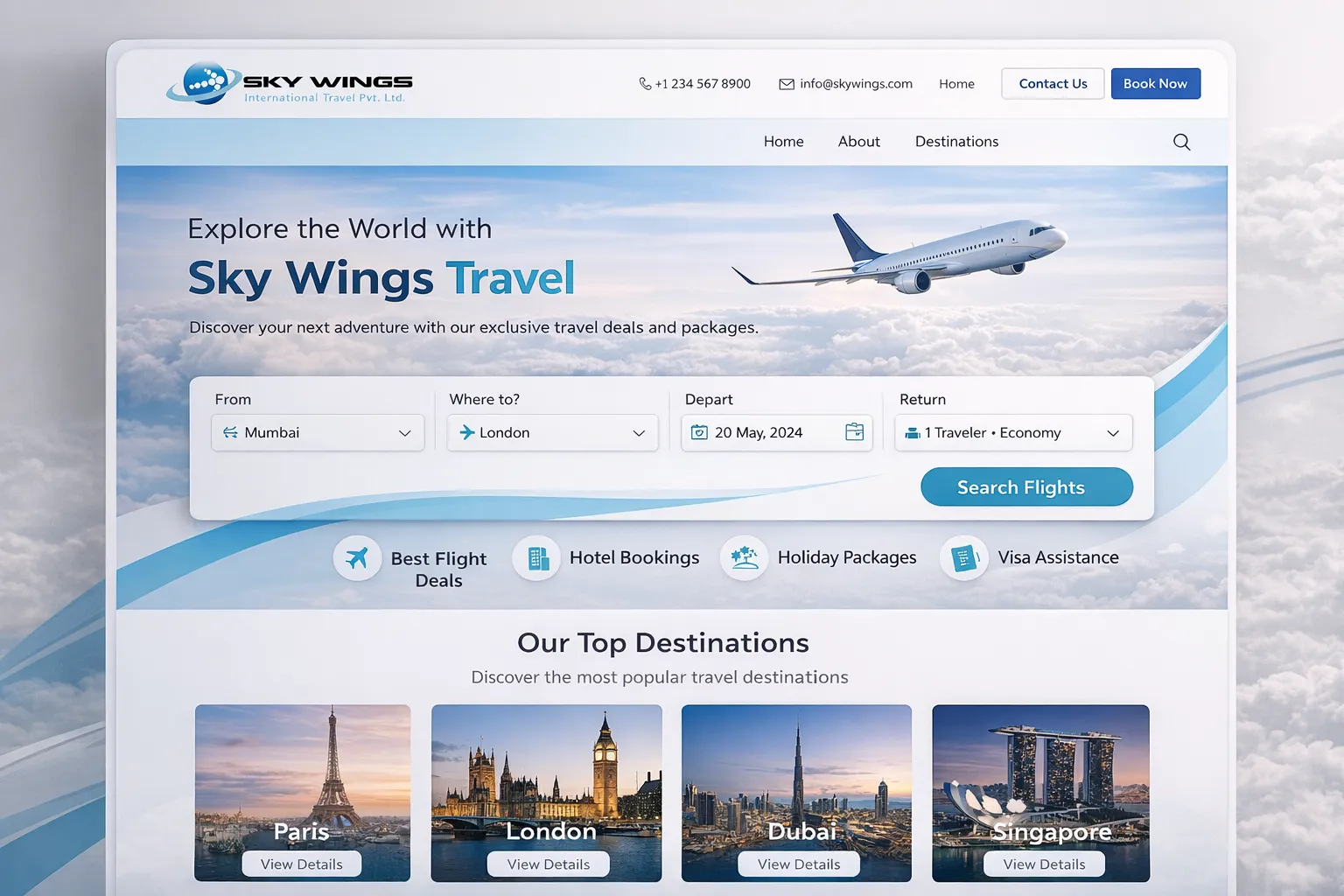
Sky Wings
- ~
- Social media
Project Overview
Sky Wings partnered with Design Scoot to establish a stronger digital presence and improve how its services are communicated online. In the modern digital landscape, businesses require a professional website and consistent social media communication to effectively reach potential customers.
The objective of this project was to develop a responsive website supported by engaging social media creatives that could help the brand communicate its services clearly while maintaining a professional online identity.
A website serves as the primary digital platform where customers explore a company’s offerings, while social media platforms help brands maintain visibility and connect with their audience regularly. For Sky Wings, combining these two elements was essential to strengthen its online presence.
Design Scoot worked closely with the Sky Wings team to understand their services, branding requirements, and target audience. Our goal was to create a digital communication system that improves accessibility, strengthens brand visibility, and enhances user engagement.
The Challenge
Before collaborating with Design Scoot, Sky Wings needed a stronger and more organized digital presence.
One of the primary challenges was the absence of a professionally designed website that could present the company’s services clearly and create a strong first impression for potential customers.
Additionally, the brand needed consistent social media communication to remain visible in the digital space and engage with its audience regularly.
Without a structured digital platform and engaging social content, it became difficult for the brand to communicate effectively with potential customers.
Key challenges included:
• No professionally structured business website
• Limited digital visibility for the brand
• Lack of consistent social media creatives
• Difficulty presenting services clearly online
• Need for a stronger digital brand identity
To address these challenges, Design Scoot focused on building a digital strategy that combines website development with engaging social media design.
Our Strategy
Our approach for Sky Wings focused on creating a complete digital communication system that improves both accessibility and brand visibility.
The strategy included two key elements.
Developing a Professional Website
The website was designed to act as the central digital platform where visitors can learn about the brand and explore its services.
Key priorities included:
• responsive mobile-friendly design
• modern and clean layout
• clear service presentation
• easy navigation structure
• fast loading performance
The website ensures that visitors can quickly find the information they need while experiencing a professional and visually appealing interface.
Strengthening Social Media Presence
Social media plays an important role in maintaining visibility and engagement with audiences. Our team designed visually engaging social media creatives that help the brand promote its services and communicate with potential customers.
The social media strategy focused on:
• service-based promotional creatives
• visually engaging graphics
• consistent brand colors and typography
• clear messaging for audiences
These creatives help Sky Wings maintain an active presence across social platforms.
Design and Development Process
Website Design & Development
Design Scoot developed a responsive and user-friendly website that represents the Sky Wings brand professionally.
Key features of the website include:
• responsive design for mobile and desktop
• structured service pages
• modern visual interface
• easy navigation for visitors
• clear information hierarchy
The website now acts as the brand’s primary digital platform, allowing potential customers to explore services and connect with the business easily.
Social Media Creative Design
Our team also created visually appealing social media creatives designed to promote services and maintain regular communication with audiences.
These creatives focus on:
• promoting services visually
• increasing brand awareness
• maintaining consistent branding
• engaging digital audiences
Consistent social media communication helps Sky Wings remain visible in the digital space while strengthening brand recognition.
Project Outcome
Through a combination of website development and social media creative design, Design Scoot helped Sky Wings establish a stronger and more organized digital presence.
The newly developed website provides the brand with a professional online platform, while the social media creatives help maintain consistent communication with audiences across digital channels.
Together, these solutions create a cohesive digital system that allows Sky Wings to present its services clearly, improve online visibility, and connect with potential customers more effectively.
Hair Fixer
- ~
- Brochure, Packaging Design, Social media, Video animation
Project Overview
Hair Fixer partnered with Design Scoot to strengthen its brand presence and improve the way its products were presented across both digital platforms and online marketplaces. As a brand operating in the competitive hair care and grooming industry, it was essential for the company to create strong product visuals that communicate quality, trust, and effectiveness.
The project involved multiple design and digital communication elements, including packaging design, social media creatives, catalogue design, Amazon product graphics, and video animation. These components work together to create a consistent brand experience across physical products, online platforms, and digital marketing channels.
In the beauty and personal care industry, visual presentation plays a critical role in influencing purchasing decisions. Customers often evaluate products based on packaging design, product listing visuals, and brand communication across social media platforms. For Hair Fixer, the goal was to ensure that every customer touchpoint clearly communicates the brand’s identity and product value.
Design Scoot collaborated closely with the Hair Fixer team to understand their product line, target audience, and branding goals. Our objective was to build a visual ecosystem that enhances product presentation while improving digital visibility.
The Challenge
Before working with Design Scoot, Hair Fixer faced several challenges in presenting its products effectively in both online and offline environments.
One of the major challenges was the need for professional packaging design that could attract attention while clearly communicating product benefits. Packaging plays a crucial role in the hair care industry, as customers often judge product quality based on the way it is visually presented.
Additionally, the brand required improved Amazon product graphics to strengthen product listings in online marketplaces. Amazon is a highly competitive platform where visually appealing graphics can significantly influence customer decisions.
The company also wanted to strengthen its digital presence through social media communication and video content, ensuring that audiences remain engaged and informed about the brand’s products.
Key challenges included:
• Need for visually appealing product packaging design
• Product listings requiring better Amazon listing graphics
• Lack of structured product catalogue design
• Limited visual storytelling for product benefits
• Need for engaging video content for marketing
These challenges required a comprehensive design strategy that could improve product presentation across multiple platforms.
Our Strategy
To help Hair Fixer strengthen its brand presence, Design Scoot developed a strategy focused on product presentation, visual storytelling, and digital engagement.
The strategy included the following key areas.
Packaging Design for Strong Brand Identity
Packaging was designed to communicate product benefits clearly while maintaining a visually appealing and professional look.
The packaging design focused on:
• strong brand colors and typography
• clear product information hierarchy
• visually appealing packaging layout
• easy readability for customers
• improved shelf visibility
Amazon Listing Optimization
To improve the presentation of Hair Fixer products on Amazon, we designed optimized Amazon product listing graphics that clearly highlight product features and benefits.
These graphics included:
• feature highlight images
• product benefit explanations
• comparison graphics
• lifestyle product visuals
• structured information layout
These improvements help customers quickly understand product advantages while browsing online marketplaces.
Social Media Brand Communication
To increase brand awareness and engagement, we designed social media creatives that promote the brand’s products while maintaining a consistent visual identity.
The social media strategy focused on:
• product promotion creatives
• visually engaging graphics
• consistent branding elements
• clear product messaging
These creatives help the brand maintain regular communication with audiences across digital platforms.
Catalogue Design for Product Presentation
A structured product catalogue was designed to present Hair Fixer’s product range in a professional and organized format.
The catalogue design includes:
• clean page layouts
• organized product sections
• clear product descriptions
• visually engaging product images
This catalogue helps the brand communicate its product range effectively during marketing campaigns and business discussions.
Video Animation for Product Communication
To enhance digital engagement, Design Scoot produced video animation content that explains product benefits and brand messaging visually.
Video animations help the brand:
• simplify product communication
• attract audience attention
• increase digital engagement
• present product benefits clearly
Animated content also works effectively across social media and digital marketing channels.
Design Execution
The project involved creating multiple visual assets that work together to strengthen Hair Fixer’s overall brand presentation.
Through strategic design, our team ensured that every asset from packaging to Amazon graphics followed a consistent visual identity. This approach helped maintain strong brand recognition while improving the presentation of products across all platforms.
By combining packaging design, catalogue design, Amazon graphics, social media creatives, and video animation, Design Scoot created a unified visual system that supports both product marketing and digital communication.
Project Outcome
The collaboration between Design Scoot and Hair Fixer resulted in a stronger and more consistent brand presence across digital platforms and product packaging.
Improved packaging design enhanced the product’s visual appeal, while optimized Amazon graphics helped strengthen product listings in online marketplaces. Social media creatives and video animations helped the brand communicate with audiences more effectively.
Together, these solutions created a comprehensive digital and product presentation system that helps Hair Fixer attract customer attention, build trust, and compete more effectively in the hair care industry.
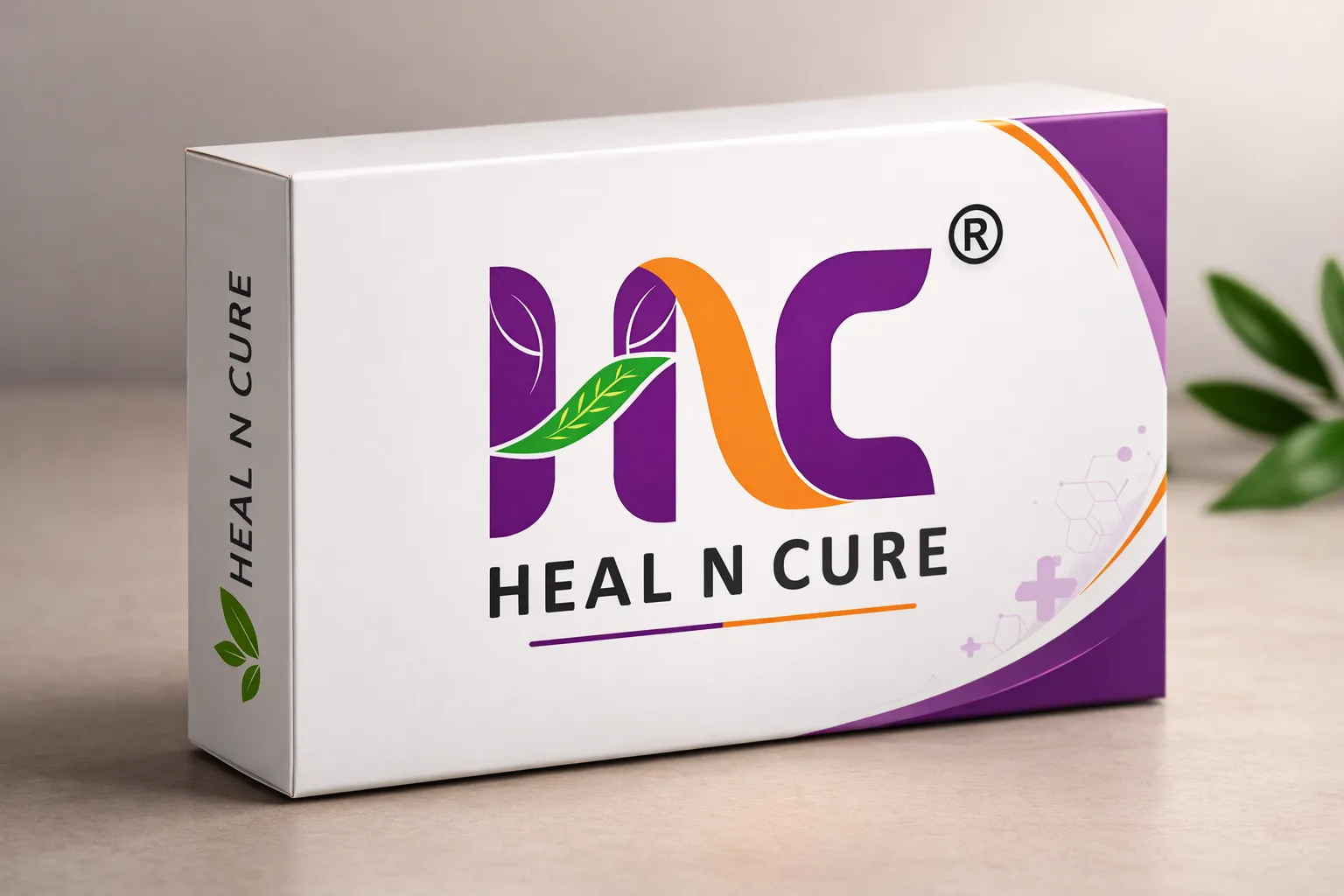
Heal and Cure
- ~
- Packaging Design, Social media
Project Overview
Heal and Cure partnered with Design Scoot to improve the way its products were presented across digital platforms and online marketplaces. As a brand focused on delivering health-related products, it was important to create packaging and digital visuals that communicate trust, clarity, and product value.
The project focused on three key areas: packaging design, social media creatives, and Amazon product graphics. Each of these elements plays a crucial role in influencing how customers perceive a brand and its products.
In competitive industries such as health and wellness, customers often make purchasing decisions based on the way products are visually presented. Packaging design, product listing graphics, and digital marketing visuals must work together to create a strong and reliable brand image.
Design Scoot collaborated with the Heal and Cure team to understand their product positioning, target customers, and brand identity. The objective was to create a visual system that improves both product presentation and digital visibility.
The Challenge
Before working with Design Scoot, Heal and Cure needed to strengthen its product presentation across multiple digital channels.
One of the key challenges was the need for professionally designed product packaging that could clearly communicate product information while also standing out visually.
Another challenge involved improving the visual structure of Amazon product listings. In highly competitive online marketplaces, well-designed graphics can significantly influence a customer’s buying decision.
The brand also wanted to maintain a consistent presence on social media platforms to promote products and increase engagement with potential customers.
Key challenges included:
• Need for visually appealing product packaging design
• Product listings requiring better Amazon product graphics
• Limited visual storytelling for product benefits
• Inconsistent product promotion on social media
• Need for stronger brand identity across digital platforms
Design Scoot’s goal was to address these challenges by developing a unified design approach that improves both physical and digital product presentation.
Our Strategy
To help Heal and Cure strengthen its product visibility and brand identity, our team developed a design strategy focused on product presentation and digital marketing visuals.
The strategy was built around three key areas.
Creating Attractive Product Packaging
Packaging design plays a crucial role in how customers perceive a product. Our goal was to create packaging that communicates product benefits clearly while maintaining a professional and appealing design.
The packaging design focused on:
• clear product information hierarchy
• strong brand identity
• visually attractive color schemes
• professional typography
• customer-friendly packaging layout
Improving Amazon Product Listings
Amazon product pages must communicate information quickly and visually. Our team created optimized graphics that highlight product features and help customers understand the benefits immediately.
The Amazon listing graphics were designed to include:
• feature highlight images
• product benefit explanations
• visually structured information
• product usage visuals
• clear and engaging layouts
These improvements help customers make faster and more confident purchasing decisions.
Strengthening Social Media Communication
To maintain digital engagement, we designed a series of social media creatives that promote Heal and Cure’s products and communicate their benefits.
Our social media design strategy included:
• product-focused promotional posts
• consistent brand colors and typography
• visually engaging product highlights
• clear messaging for audiences
These creatives help the brand stay active and visible across digital platforms while promoting its products consistently.
Design Execution
Packaging Design
Our design team developed packaging that reflects the brand’s focus on health and wellness while ensuring the product remains visually appealing.
Key design elements included:
• modern packaging layout
• clear product labeling
• brand-focused color palette
• informative product sections
• strong visual hierarchy
The final packaging design helps improve shelf presence while clearly communicating product benefits.
Amazon Product Graphics
To improve the presentation of products on online marketplaces, we designed optimized Amazon product listing graphics.
These graphics focus on:
• highlighting product features
• explaining benefits visually
• improving product clarity
• making listings more attractive
Well-structured graphics help increase customer interest and improve the overall shopping experience.
Social Media Creative Design
Our team also developed social media creatives to promote the brand’s products and maintain a consistent online presence.
The creatives were designed to:
• highlight product features
• build brand awareness
• engage audiences visually
• maintain consistent branding
This helped Heal and Cure strengthen its digital visibility and connect with audiences across social platforms.
Project Outcome
Through strategic design and digital communication, Design Scoot helped Heal and Cure enhance its product presentation across both physical packaging and digital platforms.
The combination of packaging design, Amazon listing graphics, and social media creatives created a consistent and professional brand identity that communicates product value clearly to customers.
With improved product visuals and stronger digital communication, Heal and Cure is now better positioned to attract customer attention, build trust with its audience, and compete effectively in online marketplaces.
ICAI – Nairobi
- ~
- Brochure, Social media, Video animation
Project Overview
ICAI – Nairobi partnered with Design Scoot to improve its digital communication and create a more structured online presence. As an organization that provides professional information and services to its community, it was important to present content clearly, professionally, and in a format that audiences could easily access.
The objective of this project was to develop a comprehensive digital communication system that included a professional website, an informative catalogue, engaging social media creatives, and visually appealing video animations.
In today’s digital environment, organizations must ensure that information is presented in a clear and engaging manner across multiple platforms. Whether users are visiting a website, browsing a catalogue, or engaging with content on social media, the experience must remain consistent and easy to understand.
Design Scoot collaborated closely with the ICAI Nairobi team to understand their communication requirements, audience needs, and the type of information that needed to be presented across different platforms.
The Challenge
Before partnering with Design Scoot, ICAI – Nairobi faced several challenges in presenting information in a structured and engaging way.
One of the major challenges was the need for a well-organized website where visitors could easily access information, updates, and important resources. Without a clear digital platform, it was difficult for users to navigate through available content.
Additionally, the organization required a professionally designed catalogue that could present its services and programs in a structured and visually appealing format.
Another challenge was improving engagement across digital channels through social media content and video communication. Modern audiences prefer visual and interactive formats, which meant that animation-based communication could play an important role.
Key challenges included:
• Lack of a structured informational website
• Need for a professionally designed organizational catalogue
• Limited use of visual communication tools
• Low engagement across social media platforms
• Need for clearer presentation of services and programs
These challenges required a digital design strategy that focused on clarity, accessibility, and visual engagement.
Our Strategy
To help ICAI – Nairobi improve its digital communication, Design Scoot developed a strategy focused on four key areas.
Website as the Central Information Platform
The website would serve as the primary digital hub where visitors could access important information, services, and updates.
Key priorities included:
• easy navigation structure
• clear content organization
• responsive mobile-friendly design
• fast loading performance
• visually clean layout
Structured Catalogue Design
The catalogue was designed to present information in a professional and organized format that makes it easier for audiences to understand programs, services, and organizational offerings.
The design focused on:
• clear section organization
• structured information hierarchy
• professional typography
• visually appealing layouts
Social Media Engagement
To maintain communication with audiences, we developed social media creatives that promote updates, announcements, and key information.
The social media strategy focused on:
• informative visual posts
• consistent brand colors and typography
• professional graphic design
• engaging layouts
These creatives help the organization stay active and visible on digital platforms.
Video Animation for Visual Communication
Video animation was used as an effective way to present information in a more engaging format.
Animated videos help simplify complex topics and make them easier for audiences to understand while capturing attention online.
Design and Development Process
Website Design & Development
Our team designed a responsive website for ICAI – Nairobi that allows users to easily explore information and navigate through different sections.
Key website features include:
• responsive design for mobile and desktop
• structured information pages
• modern and professional layout
• easy navigation for visitors
• clear content presentation
The website now serves as the central digital platform where users can access important resources and information.
Catalogue Design
The catalogue was designed to present organizational information in a structured and professional format.
The design approach included:
• clean page layouts
• organized sections
• professional typography
• easy-to-read content structure
This catalogue helps present the organization’s information effectively during events, meetings, and presentations.
Social Media Creative Design
Our team created visually engaging social media creatives that help communicate updates and important announcements.
These designs focus on:
• clear visual communication
• consistent branding
• informative content
• professional design elements
Regular social media creatives help the organization maintain a visible and active presence online.
Video Animation Production
To improve digital engagement, we developed animated video content that communicates key information visually.
The animation content helps:
• simplify complex information
• improve audience engagement
• present messages clearly
• enhance digital communication
These animations provide an interactive and engaging way to communicate with audiences across digital platforms.
Project Outcome
Through a combination of website development, catalogue design, social media creatives, and video animation, Design Scoot helped ICAI – Nairobi create a stronger and more organized digital presence.
The project resulted in improved communication, clearer information presentation, and better engagement across digital platforms.
By integrating multiple digital design solutions, the organization now has a cohesive system that supports its communication goals while providing audiences with a better and more accessible digital experience.

Assured
- ~
- Brochure, Social media
Project Overview
Assured partnered with Design Scoot to strengthen its digital presence and improve the way its services are presented to potential customers. As a growing business, the company needed a professional platform where clients could easily explore their offerings, understand their expertise, and connect with the brand online.
To achieve this goal, the project focused on three key areas: website development, catalogue design, and social media creatives. Each of these elements played an important role in building a cohesive digital identity for the brand.
In today’s competitive digital environment, businesses need more than just basic online presence. They require well-designed platforms that communicate credibility, professionalism, and trust. For Assured, the objective was to create digital assets that not only look professional but also help communicate their services clearly to potential clients.
Design Scoot worked closely with the Assured team to understand their business model, service offerings, and target audience. This allowed us to design a strategy that aligned with their brand vision and long-term growth goals.
The Challenge faced with Assured
Before collaborating with Design Scoot, Assured faced several challenges in presenting their services effectively across digital platforms.
One of the major issues was the absence of a well-structured business website that could clearly explain their services and create a professional first impression for potential customers. Without a proper digital platform, visitors could not easily explore the company’s expertise.
Additionally, the company required a professionally designed service catalogue that could help present their offerings in a more organized and visually appealing format. Catalogues are an important communication tool for many businesses, especially when presenting services to potential clients.
Another challenge was maintaining consistent social media communication that could keep the brand active online while also promoting its services.
Key challenges included:
• No professionally structured business website
• Need for a well-designed service catalogue
• Limited social media engagement
• Lack of consistent visual branding
• Difficulty presenting services clearly to potential clients
Design Scoot’s objective was to solve these challenges by creating a complete digital presentation system for the brand.
Our Strategy
To help Assured build a stronger digital presence, our team developed a strategy focused on professional design, structured communication, and consistent branding.
The strategy focused on three main pillars:
Building a Professional Website for Assured
The website was designed to act as the primary digital platform where potential clients could explore services and understand the company’s expertise.
Key focus areas included:
• responsive design for all devices
• clear service pages
• clean visual layout
• smooth user navigation
• fast loading performance
Designing a Structured Service Catalogue
The catalogue design was created to present the company’s services in a professional and easy-to-understand format.
The objective was to ensure that the catalogue could be used for:
• client presentations
• service explanations
• business proposals
• marketing communication
A clean and organized design approach ensured that information is presented clearly while maintaining strong visual appeal.
Strengthening Social Media Presence
To maintain visibility and engagement online, we designed a series of social media creatives that promote the brand’s services and communicate key messages.
Our social media design approach included:
• consistent brand colors and typography
• informative service-based posts
• engaging visual layouts
• professional design elements
These creatives helped Assured maintain a consistent and recognizable digital presence across social platforms.
Design and Development Process
Website Design & Development
Our team designed and developed a responsive website for Assured that reflects professionalism and clarity.
Key website features include:
• modern and clean user interface
• responsive mobile-friendly layout
• structured service pages
• easy navigation experience
• visually engaging sections
The website now acts as the central digital platform for the brand, allowing potential clients to explore services and connect with the company.
Catalogue Design for Assured
The catalogue was designed to showcase the company’s services in a visually organized and professional format.
The design focused on:
• structured page layouts
• clear service descriptions
• strong visual hierarchy
• professional typography
• easy readability
This catalogue helps the brand present its services effectively during meetings and client discussions.
Social Media Creative Design
Our team also developed visually engaging social media creatives to strengthen the company’s presence on digital platforms.
These creatives focus on:
• highlighting services
• promoting brand awareness
• maintaining consistent visual identity
• engaging online audiences
Regularly designed creatives helped the brand remain active and visible on social media platforms.
Project Outcome
The collaboration between Design Scoot and Assured resulted in a stronger digital identity and a more professional presentation of the brand’s services.
The newly developed website, professionally designed catalogue, and consistent social media creatives work together to create a cohesive digital ecosystem for the brand.
Through strategic design and structured communication, Assured now has the tools needed to present its services more effectively, engage with potential customers, and maintain a professional presence across digital platforms.
Mega Star
- ~
- Social media
Project Overview
Mega Star partnered with Design Scoot to enhance their digital product presentation and strengthen their visibility across online platforms. As a brand looking to improve its online reach, the company required professionally designed social media creatives and optimized Amazon product graphics that could effectively communicate their product value.
In today’s competitive online marketplace, simply listing products is not enough. Brands need visually compelling graphics that capture attention, highlight product features, and build trust with potential customers. Mega Star wanted to improve both their social media branding and their Amazon product listing visuals to ensure their products stand out in crowded digital spaces.
Design Scoot worked closely with the Mega Star team to understand their products, target audience, and digital marketing goals. The objective was to create a visual communication strategy that could strengthen their online brand presence while improving the presentation of their products on Amazon.
The Challenge
Before working with Design Scoot, Mega Star faced several challenges in presenting their products effectively across digital platforms.
Their online listings lacked visually structured product graphics that could clearly communicate key features and benefits to customers. Without optimized visuals, it became difficult for potential buyers to quickly understand what makes the product unique.
Additionally, the brand required more consistent activity on social media platforms to maintain visibility and engagement with their audience.
Some of the key challenges included:
• Lack of engaging social media creatives for regular brand communication
• Product listings that required more professional Amazon graphics
• Need for better visual storytelling for product features
• Limited brand consistency across digital platforms
• Difficulty standing out in competitive Amazon marketplace searches
These challenges created an opportunity for Design Scoot to develop a design strategy that could enhance the brand’s digital presence and product visibility.
Our Strategy
To address these challenges, our team focused on creating a visual communication strategy that combined social media design and Amazon product graphics.
The goal was to ensure that every digital asset representing Mega Star maintained a consistent and professional design language.
Our strategy focused on three key areas:
Strengthening Social Media Presence
We developed visually engaging social media creatives that promote the brand’s products while maintaining a clean and professional visual identity.
Optimizing Amazon Product Listings
We designed Amazon graphics that highlight product features clearly, making it easier for customers to understand the product benefits while browsing online.
Improving Visual Brand Consistency
By using consistent colors, typography, and design elements, we ensured that the brand maintained a unified visual identity across both social media and Amazon listings.
Design Execution
Social Media Creative Design
Our team created a series of visually appealing social media creatives designed to promote Mega Star’s products while maintaining a strong brand presence online.
The social media creatives focused on:
• product-focused visuals
• engaging promotional graphics
• consistent brand colors and typography
• clear messaging and product highlights
These creatives helped the brand stay active on social platforms while building stronger engagement with their audience.
Amazon Product Listing Graphics
Amazon product listings play a crucial role in influencing customer purchase decisions. Our team designed optimized product graphics that help customers quickly understand the product’s key features and benefits.
The Amazon graphics included:
• feature highlight images
• product benefit visuals
• comparison graphics
• lifestyle product images
• visually structured product information
These graphics help improve the overall product presentation and make listings more appealing to potential buyers.
Project Outcome
Through strategic design and visual communication, Design Scoot helped Mega Star strengthen their online brand presence and improve the presentation of their products across digital platforms.
The combination of social media creatives and optimized Amazon product graphics enabled the brand to communicate its product value more effectively while maintaining a professional and consistent visual identity.
With improved digital visuals, Mega Star is now better positioned to attract customer attention, build trust with online audiences, and compete more effectively in the digital marketplace.
PDF Techno
- ~
- Brochure, Logo Design, Packaging Design, Social media, Video animation
Project Overview
PDF Techno partnered with Design Scoot to build a complete digital presence that could effectively represent their technology services online. As a company providing digital and technical solutions, they required a professional platform where potential clients could clearly understand their offerings and expertise.
The objective of this project was to develop a fully integrated digital ecosystem, including website development, logo design, catalogue design, social media creatives, and video animation. By combining these elements, the goal was to create a consistent and professional brand identity across all digital touchpoints.
Our team at Design Scoot worked closely with PDF Techno to understand their business model, target audience, and service offerings in order to design solutions that aligned with their long-term digital growth.
The Challenge
Before working with Design Scoot, PDF Techno faced several challenges in establishing a strong online presence.
The company had valuable services to offer but lacked the digital infrastructure required to communicate those services effectively. Without a structured digital platform, potential clients could not easily explore their expertise or understand the scope of their work.
Some of the key challenges included:
• No professionally designed business website to showcase services
• Lack of a strong brand identity and logo design
• No structured catalogue design for presenting company offerings
• Limited presence on social media platforms
• Need for engaging video animation content to simplify technical concepts
These challenges made it difficult for the brand to establish credibility online and reach new potential clients.
Design Scoot’s goal was to solve these challenges by building a complete digital foundation for the brand.
Our Strategy
To create a powerful digital presence for PDF Techno, we focused on developing a strategy that combined design, technology, and digital communication.
Our approach included the following key elements:
1. Professional Website Development
The website would act as the central digital platform where users could explore the company’s services and learn more about their expertise.
The focus was on:
• clean and modern UI design
• clear service presentation
• easy navigation structure
• mobile responsive layout
• fast loading performance
2. Strong Brand Identity
A well-designed logo and brand elements were developed to ensure a recognizable and professional identity across all marketing materials.
3. Visual Communication through Catalogue Design
A professionally structured business catalogue was created to present services and company information in a visually organized format.
4. Social Media Branding
Consistent social media creatives were designed to improve brand visibility and maintain engagement with the audience.
5. Video Animation Content
Animated content was produced to communicate services in a more engaging and easy-to-understand format.
By combining these components, we ensured that every platform representing the brand followed a consistent design language and communication style.
Design and Development Process
Website Design & Development
Our team designed and developed a responsive business website for PDF Techno that reflects professionalism and technical expertise.
Key features of the website include:
• modern and clean interface
• responsive design for mobile and desktop
• service-focused content structure
• optimized user experience
• visually engaging layout
The website now acts as a digital hub for the brand, allowing visitors to easily explore services and connect with the company.
Logo Design and Brand Identity
To create a recognizable brand presence, we designed a professional logo along with supporting brand elements.
The logo design focused on:
• modern typography
• technology-inspired visual identity
• clean and scalable design
• strong brand recall
These branding elements helped establish a consistent identity across all digital platforms.
Catalogue Design
We also developed a company catalogue design that helps PDF Techno present their services in a structured and visually appealing format.
The catalogue was designed with:
• clean layout structure
• organized service sections
• professional typography
• visually engaging graphics
This catalogue now serves as a powerful tool for client presentations and marketing communication.
Social Media Creative Design
To strengthen the company’s presence on social platforms, we designed a series of social media creatives that highlight their services and expertise.
Our social media design strategy focused on:
• consistent brand colors and typography
• visually engaging graphics
• informative service posts
• brand awareness creatives
These creatives helped PDF Techno maintain a professional and active presence across social platforms.
Video Animation
To make technical information more engaging, we created video animation content that visually communicates the company’s services.
Animation helped the brand:
• simplify complex service explanations
• capture audience attention
• improve digital engagement
• create visually dynamic content
This added an interactive dimension to their digital communication.
Project Outcome
The collaboration between Design Scoot and PDF Techno resulted in a complete digital transformation for the brand.
Key results of the project include:
• A modern business website representing the company professionally
• A strong brand identity with a custom logo design
• A visually structured company catalogue for presentations
• Consistent social media creatives for brand visibility
• Engaging video animation content for digital communication
With these solutions in place, PDF Techno now has a cohesive digital presence that effectively communicates their services and strengthens their brand credibility.

- Logo Design
Aroma Chai
Project Overview
Aroma Chai partnered with Design Scoot to create a strong brand identity and establish a professional digital presence. As a brand focused on delivering quality tea products, it was essential to build a visual identity that reflects authenticity, warmth, and trust.
The project focused on two key components of brand communication: logo design and website development. A well-designed logo creates the foundation of a brand’s identity, while a professional website provides a platform where customers can explore the brand and its offerings online.
In the food and beverage industry, branding plays a critical role in shaping how customers perceive a product. A recognizable logo and a well-designed website help create a memorable brand experience while improving customer trust.
Design Scoot worked closely with the Aroma Chai team to understand their brand vision, product positioning, and customer expectations. Our goal was to create a visual identity and digital platform that represent the brand effectively while improving its online visibility.
The Challenge with Aroma Chai
Before working with Design Scoot, Aroma Chai needed a stronger and more recognizable brand identity.
One of the primary challenges was the absence of a professionally designed logo that could clearly represent the brand’s personality and values. A logo is often the first visual element customers associate with a brand, and it must be memorable, simple, and versatile.
Another challenge involved establishing a digital presence through a website where customers could learn more about the brand and its offerings.
Without a well-designed website, it becomes difficult for brands to communicate their story and connect with audiences online.
Key challenges included:
• Need for a distinctive brand logo
• Lack of a professional business website
• Limited digital visibility for the brand
• Need to communicate brand story effectively
• Requirement for consistent visual branding
Design Scoot’s goal was to develop a brand identity and digital platform that help Aroma Chai stand out in the competitive beverage market.
Our Strategy for Aroma Chai
To help Aroma Chai establish a strong brand presence, we developed a strategy focused on branding clarity and digital accessibility.
The strategy included two main components.
Creating a Memorable Brand Identity
The logo design was developed to reflect the warmth and authenticity associated with tea culture. It needed to be simple, recognizable, and adaptable for use across packaging, marketing materials, and digital platforms.
The logo design focused on:
• clean and modern visual style
• strong brand identity
• easy recognition across platforms
• balanced typography and icon elements
• scalable design for digital and print use
A well-designed logo ensures that the brand maintains a consistent identity across all communication channels.
Building a Professional Website
The website was designed to act as the digital home for the Aroma Chai brand. It allows visitors to learn about the brand, explore its offerings, and connect with the business.
Key website design priorities included:
• responsive mobile-friendly layout
• modern and clean interface
• easy navigation structure
• clear brand storytelling
• visually engaging sections
The website provides customers with an engaging digital experience while strengthening the brand’s online presence.
Design and Development Process
Custom Logo Design for Aroma Chai
Our team created a custom logo design that represents Aroma Chai’s brand personality while maintaining simplicity and visual appeal.
Key design considerations included:
• balanced typography and icon elements
• recognizable brand identity
• adaptable design for different platforms
• modern and clean visual style
The final logo provides the brand with a strong and recognizable visual identity.
Website Design & Development
Design Scoot developed a responsive and user-friendly website that allows visitors to explore the brand and its offerings easily.
Key features of the website include:
• responsive design for mobile and desktop
• modern visual layout
• structured content sections
• easy navigation experience
• clear brand presentation
The website now acts as the brand’s primary digital platform where customers can learn about Aroma Chai and connect with the business.
Project Outcome
Through a combination of logo design and website development, Design Scoot helped Aroma Chai establish a strong brand identity and a professional digital presence.
The newly designed logo provides the brand with a recognizable visual identity, while the responsive website allows customers to explore the brand easily online.
Together, these solutions create a cohesive brand system that strengthens visibility, improves customer engagement, and helps Aroma Chai communicate its story effectively.
- Brochure, Logo Design
Elevate Holidays Online
Project Overview
EHO partnered with Design Scoot to build a strong and consistent brand identity supported by a professional digital presence. As a growing organization, EHO required design solutions that could clearly communicate its services while maintaining a professional image across different platforms.
The project focused on three essential elements of brand communication: logo design, website development, and catalogue design. These components form the foundation of a company’s visual identity and play an important role in how customers and partners perceive the brand.
A well-designed logo creates a recognizable brand identity, while a professional website allows audiences to explore services and information easily. At the same time, a structured catalogue helps businesses present their offerings clearly during meetings, presentations, and marketing activities.
Design Scoot collaborated closely with the EHO team to understand their business goals, branding requirements, and target audience. Our objective was to create a cohesive visual system that strengthens brand identity while improving digital communication.
The Challenge
Before working with Design Scoot, EHO faced several challenges in presenting its brand and services in a structured and professional manner.
One of the primary challenges was the absence of a distinct brand identity. Without a professionally designed logo, it was difficult for the brand to establish strong recognition and consistency across different communication channels.
The company also needed a professional website that could act as a central platform for presenting information and services. Without a clear digital presence, potential clients had limited ways to explore the brand and understand its offerings.
In addition, EHO required a well-designed service catalogue that could present its information and services in an organized format for clients and partners.
Key challenges included:
• Lack of a strong visual brand identity
• No professionally designed business website
• Need for a structured company catalogue
• Difficulty presenting services clearly to potential clients
• Limited digital presence for the brand
To address these challenges, Design Scoot focused on creating a design system that combines branding, digital presence, and professional presentation materials.
Our Strategy
Our approach for EHO focused on building a consistent and professional brand identity supported by digital and marketing tools.
The strategy included three key components.
Creating a Strong Brand Identity
The logo design was developed to represent the brand’s identity while ensuring that it remains recognizable and scalable across different platforms.
The logo design approach focused on:
• modern and clean design style
• strong visual identity
• easy scalability for digital and print use
• professional typography
• recognizable brand symbol
A well-designed logo ensures that the brand maintains consistency across websites, catalogues, and marketing materials.
Developing a Professional Website
The website was designed to act as the central digital platform where visitors can explore the brand, understand its services, and access important information.
Key website design priorities included:
• responsive mobile-friendly layout
• modern and clean interface
• easy navigation structure
• clear information hierarchy
• fast loading performance
The website provides visitors with a professional digital experience while strengthening the brand’s online presence.
Designing a Structured Service Catalogue
The catalogue design was developed to present EHO’s services and information in a clear and organized format.
Catalogues are valuable communication tools that allow businesses to present their offerings in a professional manner during meetings and business discussions.
The catalogue design focused on:
• structured page layouts
• organized service sections
• professional typography
• visually engaging design
• clear information presentation
This ensures that readers can easily understand the services and key information presented in the catalogue.
Design and Development Process
Logo Design
Our team developed a custom logo design that represents EHO’s brand identity while maintaining simplicity and professionalism.
Key design considerations included:
• balanced visual elements
• modern typography
• adaptable logo structure
• clear brand representation
The logo now acts as the foundation of the brand’s visual identity across all communication channels.
Website Design & Development
Design Scoot created a responsive and user-friendly website that allows visitors to explore information and services easily.
The website includes:
• structured information pages
• responsive design for mobile and desktop
• modern visual layout
• intuitive navigation system
• clear brand presentation
This platform now serves as the main digital touchpoint for the brand.
Catalogue Design
The catalogue was designed to provide a structured overview of EHO’s services and information.
Key design elements included:
• clean page layouts
• organized content hierarchy
• visually appealing graphics
• easy-to-read typography
• professional presentation style
The catalogue now acts as a valuable marketing and communication tool for the organization.
Project Outcome
Through a combination of logo design, website development, and catalogue design, Design Scoot helped EHO establish a strong and consistent brand identity.
The newly designed logo provides the brand with a recognizable visual identity, while the website strengthens its digital presence and accessibility. The structured catalogue helps communicate services clearly during business interactions.
Together, these solutions create a cohesive brand system that supports EHO’s communication goals while improving how the brand is presented to clients and partners.
Old Batra Lemon
- ~
- Brochure
Project Overview
Old Batra Lemon partnered with Design Scoot to improve the way its products were presented to customers and distributors through digital platforms and marketing materials. As a brand offering lemon-based products, it was important to communicate product quality, brand identity, and product information clearly.
The project focused on two essential elements of business communication: website development and catalogue design. These tools help businesses present their products professionally while making it easier for customers and partners to understand their offerings.
In modern markets, businesses need both a strong digital presence and well-designed product catalogues to communicate effectively. A website allows customers to explore products online, while a catalogue provides a structured overview of product offerings that can be used for marketing and sales communication.
Design Scoot worked closely with the Old Batra Lemon team to understand their product range, branding requirements, and customer expectations. Our goal was to create a digital platform and catalogue that represent the brand professionally while improving the presentation of their products.
The Challenge
Before collaborating with Design Scoot, Old Batra Lemon needed a better way to present its products and brand identity across both digital and marketing platforms.
One of the main challenges was the absence of a professional business website that could help customers easily explore the brand and its product offerings. Without a structured website, it was difficult to establish a strong digital presence.
Additionally, the company required a well-designed product catalogue that could clearly showcase its products for distributors, retailers, and potential clients.
Key challenges included:
• No professionally structured product website
• Need for a clean and organized product catalogue
• Difficulty presenting product information clearly
• Limited digital visibility for the brand
• Need for consistent visual branding
To address these challenges, Design Scoot focused on developing a solution that combines digital presence with professional product presentation.
Our Strategy
Our approach for Old Batra Lemon focused on creating a clear and professional product communication system through website development and catalogue design.
The strategy included two key components.
Building a Product-Focused Website
The website was designed to act as the central digital platform where customers and partners could explore the brand and its product offerings.
Key focus areas included:
• responsive mobile-friendly design
• clear product presentation
• easy navigation structure
• modern and clean layout
• improved digital accessibility
The website allows visitors to learn about the brand while exploring product information easily.
Designing a Professional Product Catalogue
Catalogues remain an important marketing tool for businesses, especially when presenting products to distributors or during business meetings.
Our catalogue design strategy focused on:
• structured product layouts
• clear product information sections
• professional typography
• visually appealing page design
• easy readability for customers
The catalogue now helps the brand present its product range in a professional and organized format.
Design and Development Process
Website Design & Development
Our team developed a responsive website for Old Batra Lemon that represents the brand professionally while showcasing its products clearly.
Key features of the website include:
• mobile-friendly responsive design
• structured product sections
• modern user interface
• clear brand presentation
• easy navigation for visitors
The website now serves as a digital storefront where customers can explore the brand and its products online.
Catalogue Design
The product catalogue was designed to present the brand’s offerings in a visually organized and easy-to-understand format.
Key design elements included:
• structured product sections
• clear visual hierarchy
• high-quality product visuals
• organized information layout
• professional typography
The catalogue helps the brand present its products effectively during client meetings, distributor discussions, and marketing campaigns.
Project Outcome
Through a combination of website development and catalogue design, Design Scoot helped Old Batra Lemon improve the way its products are presented both online and offline.
The newly developed website provides the brand with a strong digital presence, while the professionally designed catalogue helps communicate product information clearly to customers and business partners.
Together, these solutions create a consistent and professional brand presentation that strengthens visibility and improves customer communication.